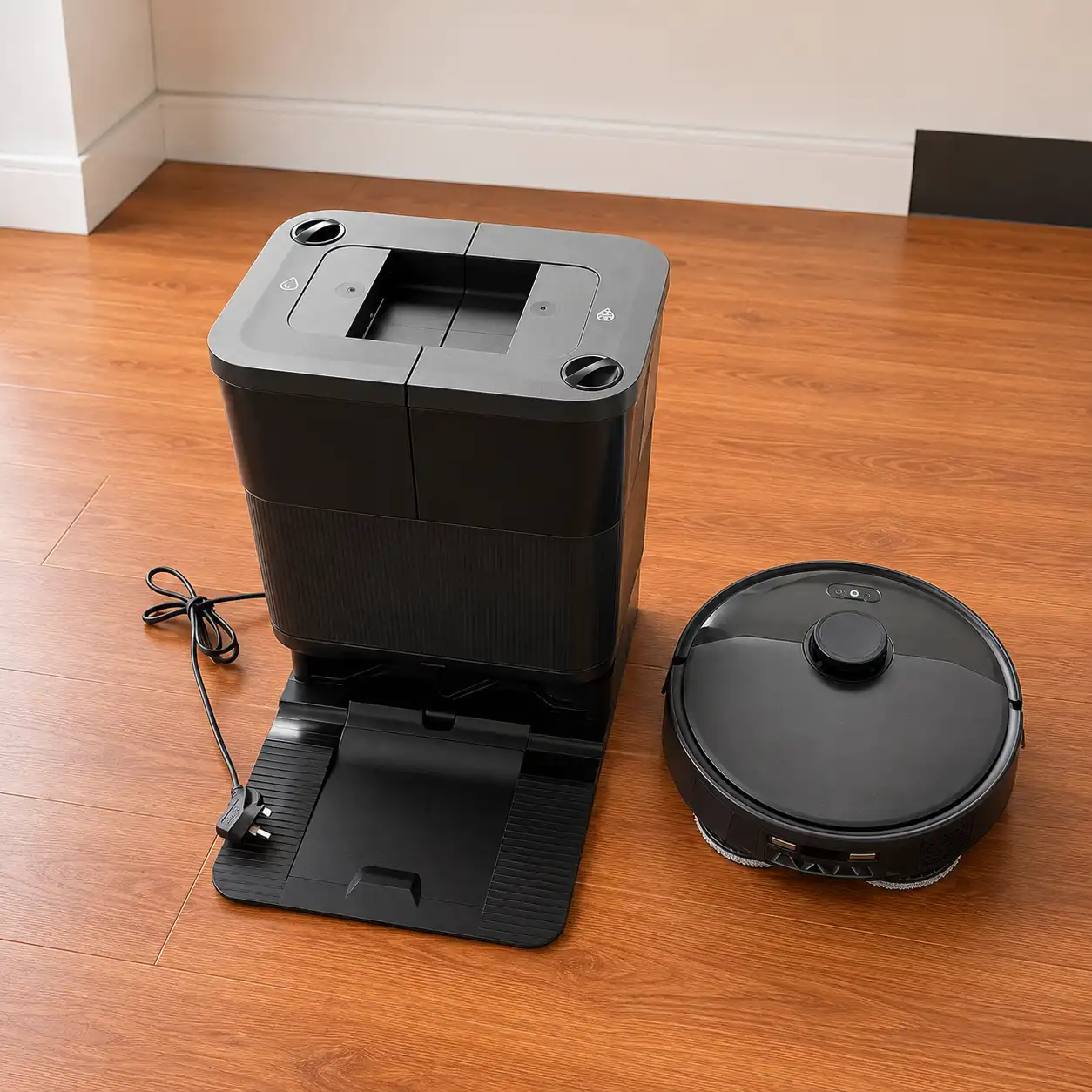
SW75 All-in-One Robot Vacuum and Mop
Flagship robot vacuum and mop with hot-water washing, hot-air drying, and 10,000Pa suction. Built for brands that need a premium OEM/ODM platform.
Free OEM/ODM consultation — 24-hour quotation on working days for standard models.
Send your target market, quantity, and customization requirements and our team will come back with a tailored quotation. Start with 1 sample for evaluation, then move to the 500-unit MOQ when the sample passes your checks. No fixed public pricing, no obligation from the consultation itself — the quote is built around your configuration, volume, and market.
Why Choose the SW75 Flagship Platform?
The SW75 is engineered to be the definitive flagship offering for aggressive brands. In a market where consumers demand complete automation, offering a robot without a fully featured base station is no longer competitive. The SW75 bridges this gap by providing a comprehensive all-in-one station that handles auto-emptying, hot-water mop washing, and hot-air drying.
As a leading robot vacuum cleaner manufacturers, we understand that private-label brands need specifications that win on paper and performance that wins in the home. The 10,000Pa suction and advanced dToF navigation provide the necessary marketing firepower to compete with tier-one consumer brands.
In addition, the SW75 shares our rigorous manufacturing standards applied across our extensive catalog, including our capabilities as a top-tier wet-dry vacuum cleaner manufacturer. If you have seen the success of our M1 wet-dry vacuum cleaner, you will recognize the same commitment to durability and performance in the SW75.
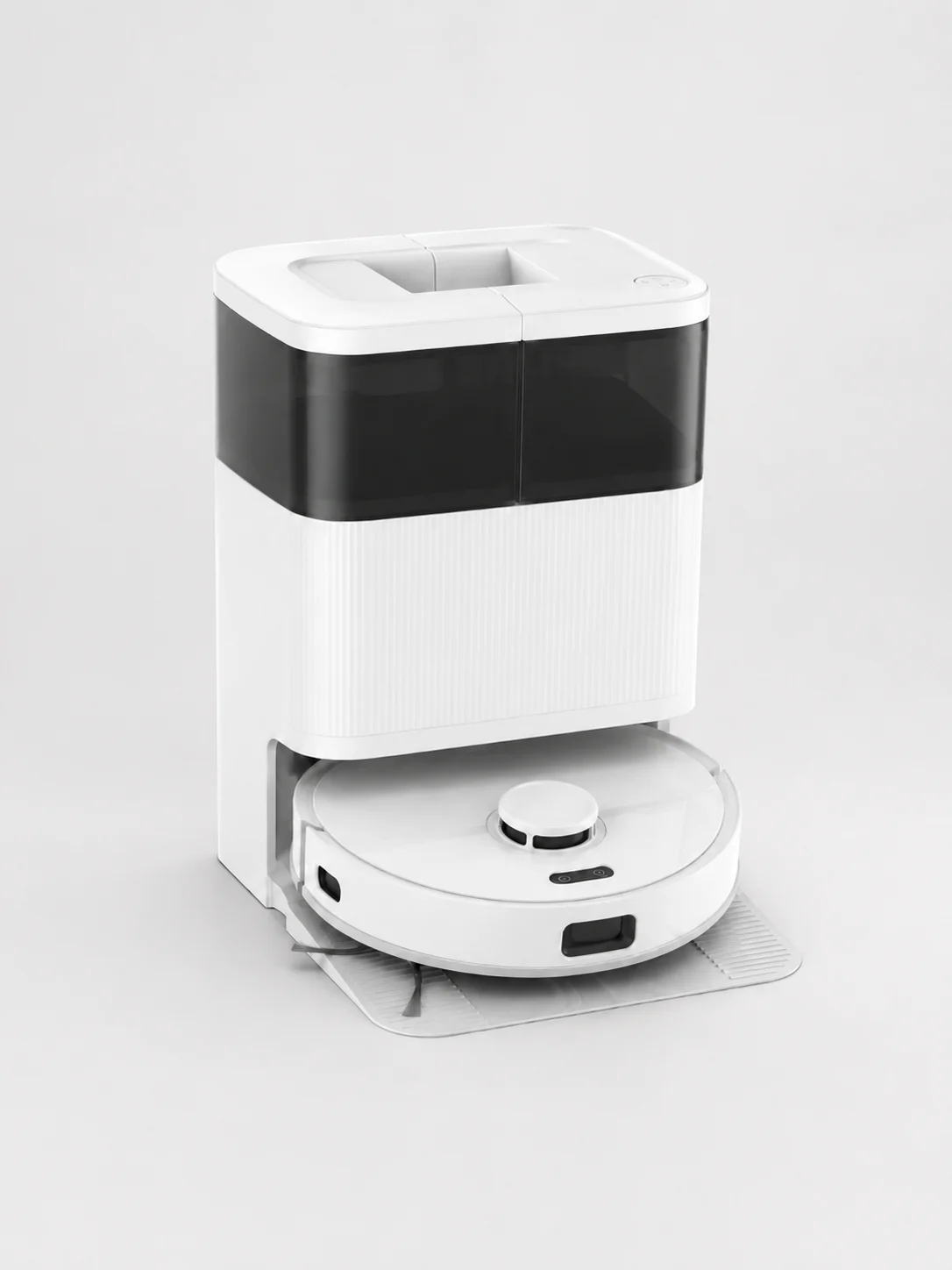
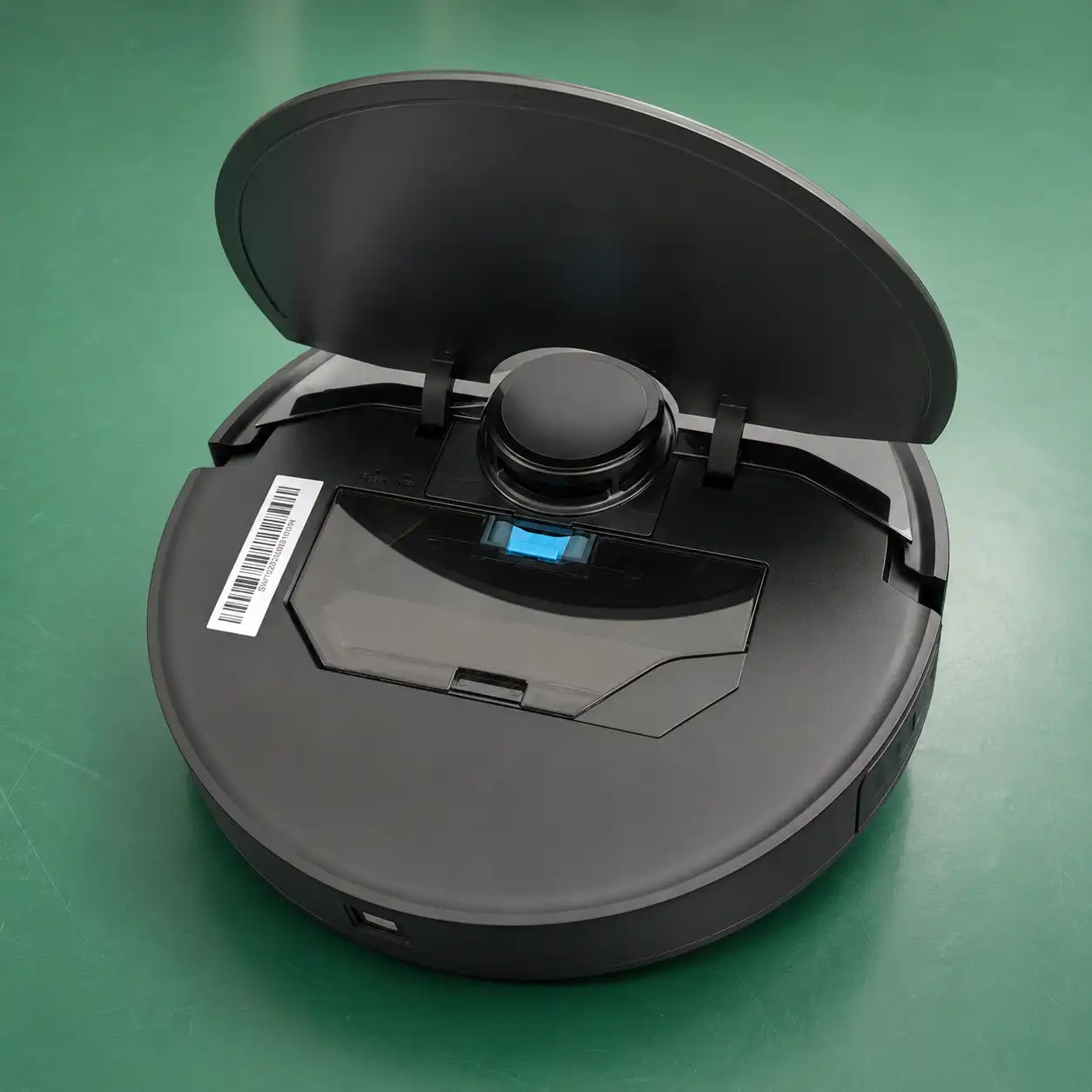
Building a flagship robot from scratch takes years of research, tooling, testing, and software work. The SW75 removes that burden. The hardware, the base station, the navigation stack, and the Tuya App ecosystem arrive as one tested platform, ready for your branding. Your team can spend its time on positioning, channels, and launch timing instead of debugging prototypes. For a brand that wants to enter the premium tier this year rather than in two years, that head start matters more than any single specification.
A flagship also changes how buyers see the rest of your range. When the SW75 sits at the top of the catalog, it sets the reference point: customers compare your mid-range and entry models against a product they already respect. Retail buyers, distributors, and marketplace shoppers all read a strong flagship as proof that the brand can engineer at the top level. That halo effect is hard to buy with advertising alone, and it is one of the main reasons brands add a flagship SKU even when most of their volume comes from lower tiers.
Use the sample stage to test what your customers will actually notice. Run the station through a full cycle: watch the hot-water wash, listen to the auto-empty, check the 7mm mop lift on a rug edge, and let the robot map a real room with furniture in it. Test the app pairing on both 2.4G and 5G WiFi. If the station, the mapping, and the app all behave well in that first hour, the platform will behave well on a showroom floor and in a customer home.
The All-in-One Station: Uncompromised Automation
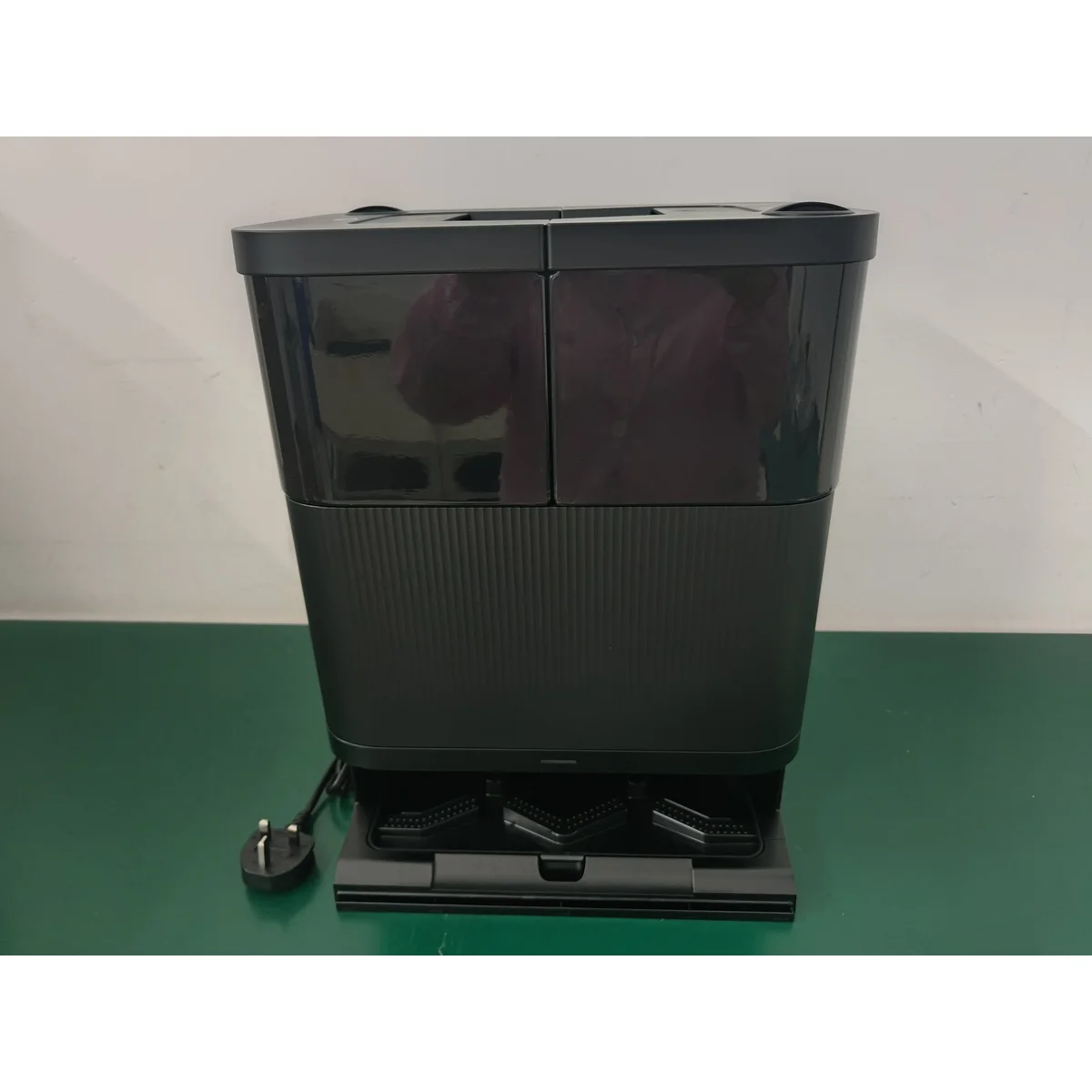
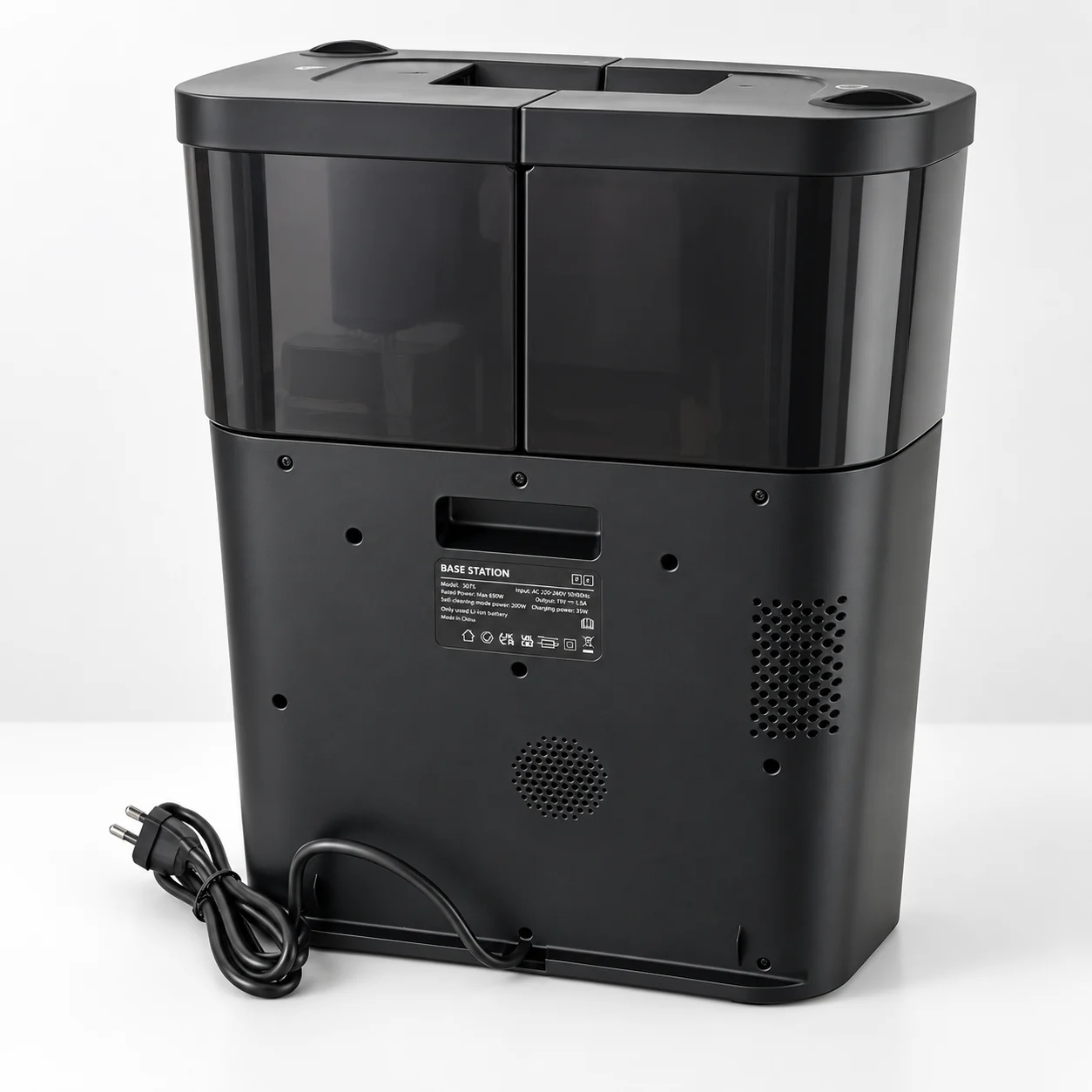
Standard base stations only empty dust or wash with cold water. The SW75 station integrates five critical functions, eliminating manual intervention for up to 60 days. Explore our full range of products to see how this station leads the lineup.
20,000Pa Auto-Emptying
A powerful 650W motor clears the robot's 300ml dustbin in seconds, transferring debris into a massive 3L disposable dust bag. Users only need to replace the bag approximately every 60 days.
Hot-Water Mop Washing
Unlike cold-water systems that leave grease behind, the SW75 station heats water to dissolve stubborn stains and oils from the dual rotating mop pads, ensuring they are pristine for the next run.
Hot-Air Drying
Post-wash, a dedicated hot-air blower thoroughly dries the mop pads and the cleaning tray. This critical step prevents mildew growth and eliminates unpleasant odors.
Auto-Refill & Massive 4L/4L Tanks
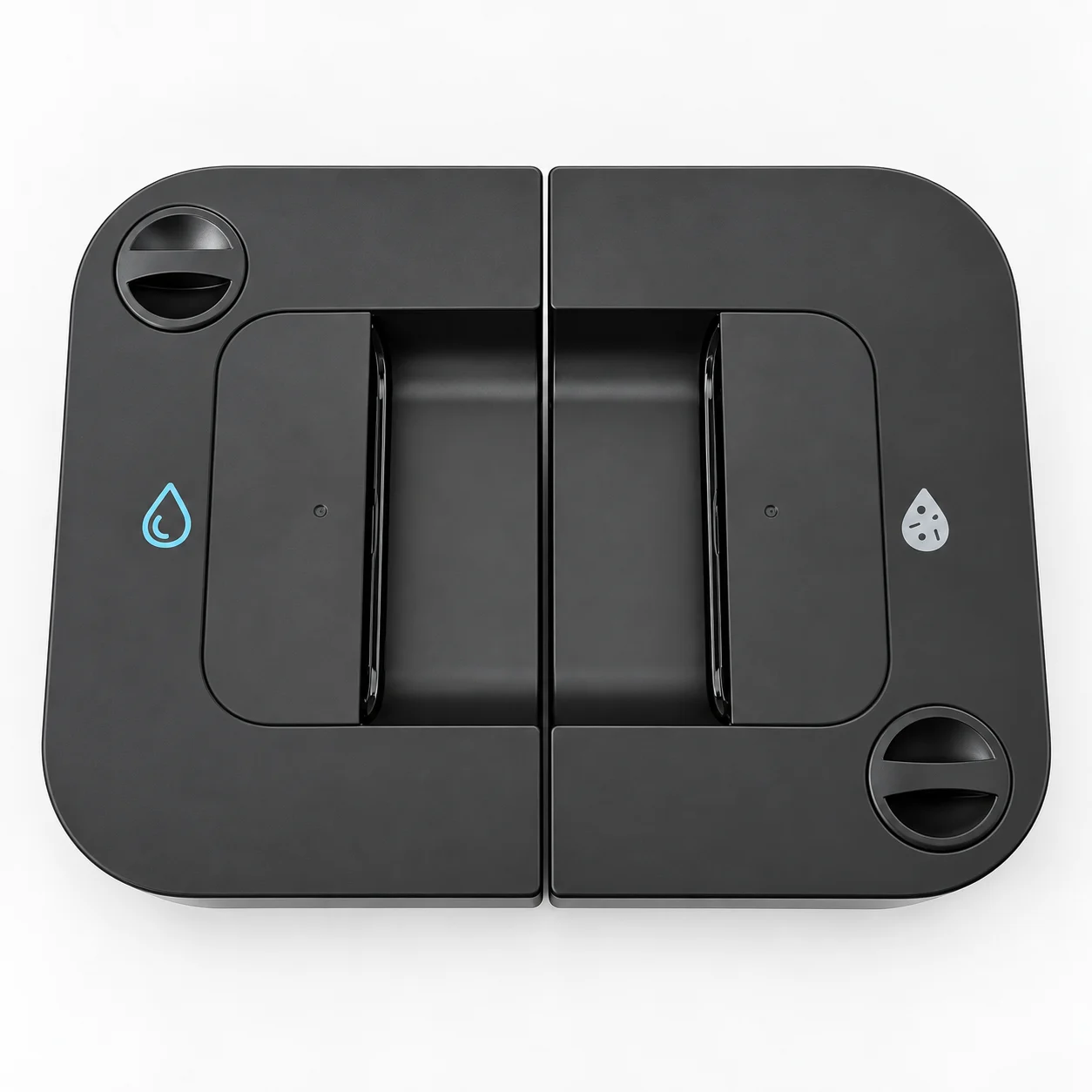
The station features a 4L clean water tank and a 4L dirty water tank. It automatically refills the robot's onboard 55ml water tank, maintaining consistent mop wetness across large floor plans.
Cold-water stations rinse. Hot-water stations clean. That difference shows up on grease, dried sauce, and sticky spills, where warm water loosens residue that cold water leaves behind. It also shows up over weeks of use: pads washed in hot water and then dried with hot air stay fresher, while pads left damp in a dock develop odor. When a buyer asks why the SW75 station costs more than a basic auto-empty dock, the honest answer is that it replaces hand-washing the pads, not just emptying the dustbin.
The tank sizes shape how often the owner has to intervene. A 4L clean-water tank and a 4L dirty-water tank cover large floor plans without constant refilling, and the station refills the robot’s 55ml onboard tank on its own. The owner’s remaining jobs are simple: empty the dirty-water tank after full cleaning cycles, and swap the 3L dust bag roughly every 60 days. That is the full maintenance story for the station, and it is short enough to explain on a retail card or a product page.
For trade buyers, the station is also the easiest part of the product to demonstrate. Three moments do the work: the hot-water wash, the 7mm mop lift, and the 20,000Pa auto-empty. Each takes seconds, each is visible or audible, and together they explain the premium better than a specification sheet. If you are preparing showroom staff or distributor training, build the demo around those three moments and let the robot do the talking.
Unrivaled Cleaning Performance
Beneath the sleek exterior lies a powerhouse designed for deep cleaning. The SW75 delivers 10,000Pa of suction power, effortlessly extracting dust from deep within carpet fibers and floor crevices. The floating main brush maintains constant contact with uneven surfaces for optimal pickup.
Mopping is handled by dual rotating pads spinning at 180 RPM with 8N of downward pressure. This mechanical scrubbing action mimics manual mopping, removing dried-on spills easily. When encountering carpets, the ultrasonic sensor triggers an automatic 7mm mop lift, keeping rugs dry while boosting suction power simultaneously. It's the ultimate robot vacuum cleaner experience.
Adaptive Battery Life (5200mAh)
- Max Mode (10,000Pa) 80 Minutes
- Strong Mode (3,500Pa) 102 Minutes
- Standard Mode (2,500Pa) 131 Minutes
- Quiet Mode (1,500Pa) 175 Minutes
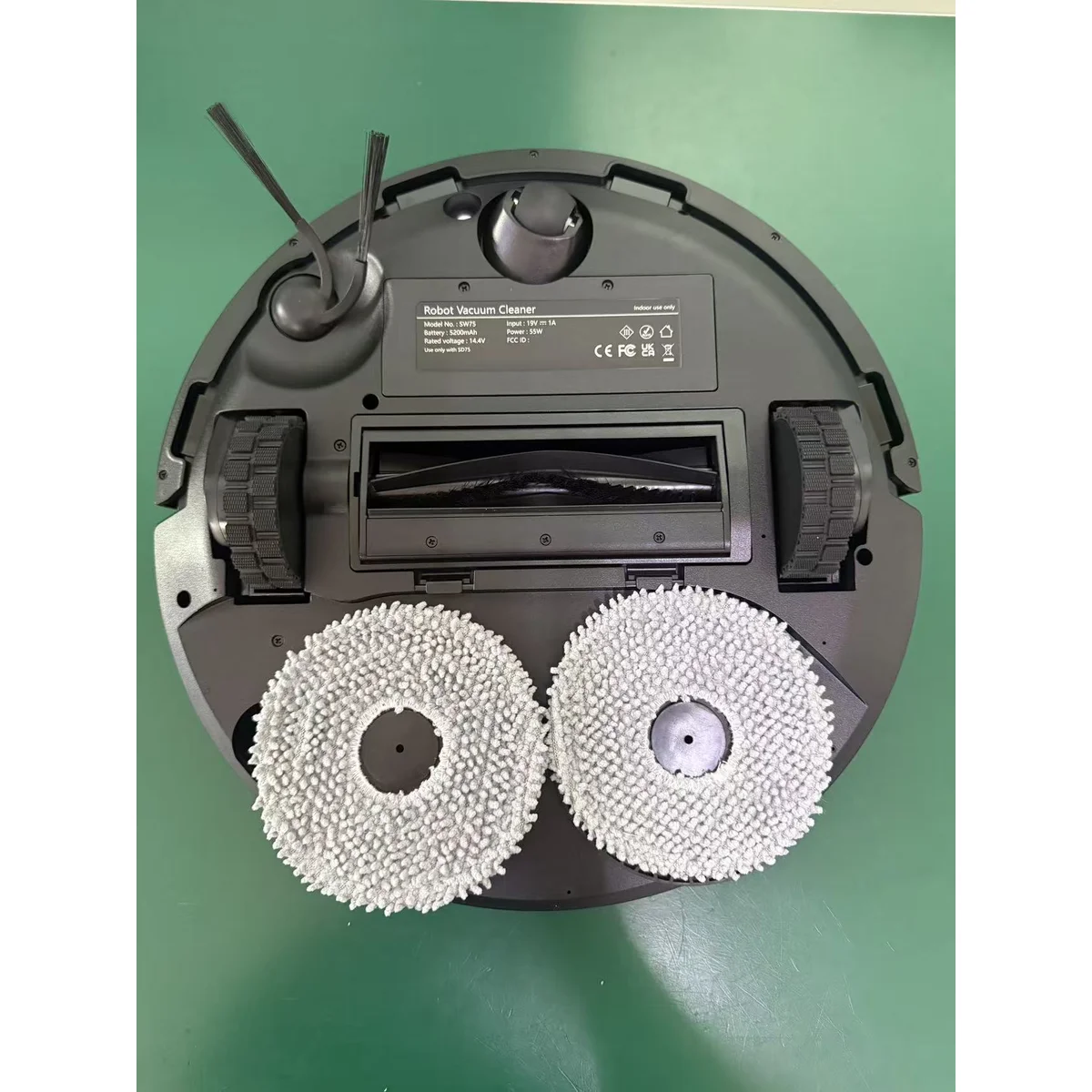
Different floors need different behavior, and the SW75 adjusts for that. On hard floors it vacuums and mops in one pass, with the dual spinning mops applying steady 8N pressure at 180 RPM. On carpet the mop pads lift by 7mm and suction rises, so rugs get a deep vacuum without getting wet. That split behavior is what makes one robot usable across a whole home — tile in the kitchen, wood in the living room, carpet in the bedroom — without the owner changing settings room by room.
Edge cleaning is where many robots disappoint, because a round body cannot reach a straight baseboard. The SW75 extends its mop toward edges to close that gap. In practice, that means fewer visible dust lines along walls and around furniture legs. When you test a sample, check the edges after a run, not just the open floor: the open floor is easy for any robot, the edges are where build quality shows.
Pet homes are the hardest test for suction and filtration. Hair wraps, dander settles deep in carpet, and filters load faster. The floating main brush keeps contact with uneven floors, the 10,000Pa suction pulls debris from carpet fibers, and the sealed path into the 3L bag keeps dust contained. Advise pet-owning customers to tap out the HEPA filter monthly and to plan filter replacement about every six months, so airflow and suction stay at their rated level.
Precision Navigation & Smart Control
The SW75 utilizes an advanced dToF LiDAR combined with Line Laser technology. This dual-system approach ensures rapid, highly accurate mapping and exceptional obstacle avoidance, even in complex domestic environments.
Advanced Mapping
Room partitioning, no-go zones, and targeted spot cleaning are all managed seamlessly. The system supports multi-floor mapping for larger homes.
Tuya App Ecosystem
Powered by the robust Tuya platform, offering reliable stability. We provide full brand customization for the App UI and icons. Check our resources for integration guides.
Voice & Connectivity
Compatible with Alexa and Google Home. Features 2.4G + 5G WiFi and Bluetooth for frictionless initial setup and reduced customer support tickets.
Mapping starts with a first run. The dToF LiDAR scans the home, the robot builds a floor plan, and the owner can then split, merge, and name rooms in the app. From there, cleaning becomes room-by-room: different suction and water settings per room, virtual walls where the robot should not go, and no-mop zones for rugs and carpeted areas. That setup takes minutes, and it is what turns a powerful robot into a well-behaved one.
Privacy is part of the navigation story. dToF LiDAR measures distance with light pulses; it does not capture images of the home. For European distributors and privacy-conscious buyers, that distinction matters: there are no camera images to upload, store, or explain. The robot maps the shape of the rooms, not photographs of them, and that keeps the product on the right side of GDPR expectations for camera-free navigation.
Multi-floor homes add one more requirement: the robot must remember more than one map and resume work after recharging. The SW75 stores multiple floor maps, and if the 5200mAh battery runs low mid-job, it returns to the station, recharges, and resumes where it left off. Voice control through Alexa and Google Home, plus multi-language voice prompts from the robot itself, covers hands-free use for owners who do not want to open the app every time.
How to Choose an All-in-One Station — Where the SW75 Sits
The market for OEM robot vacuum cleaners is segmented by base station capabilities. Understanding these tiers is crucial for positioning your product line.
Entry: SG30
Basic navigation and standard charging.
- Gyroscope Navigation
- 3,000Pa Suction
- Manual Dust Emptying
- Manual Mop Washing
Mid-Range: SDL40
Advanced navigation with auto-empty capabilities.
- LiDAR Navigation
- 5,000Pa Suction
- Auto-Empty Station
- Cold Water Wash (Optional)
Flagship: SW75
The ultimate all-in-one automated cleaning platform.
- dToF + Line Laser
- 10,000Pa Suction
- Auto-Empty (20kPa)
- Hot-Water Mop Wash
- Hot-Air Drying
- 7mm Mop Lift & 8N Pressure
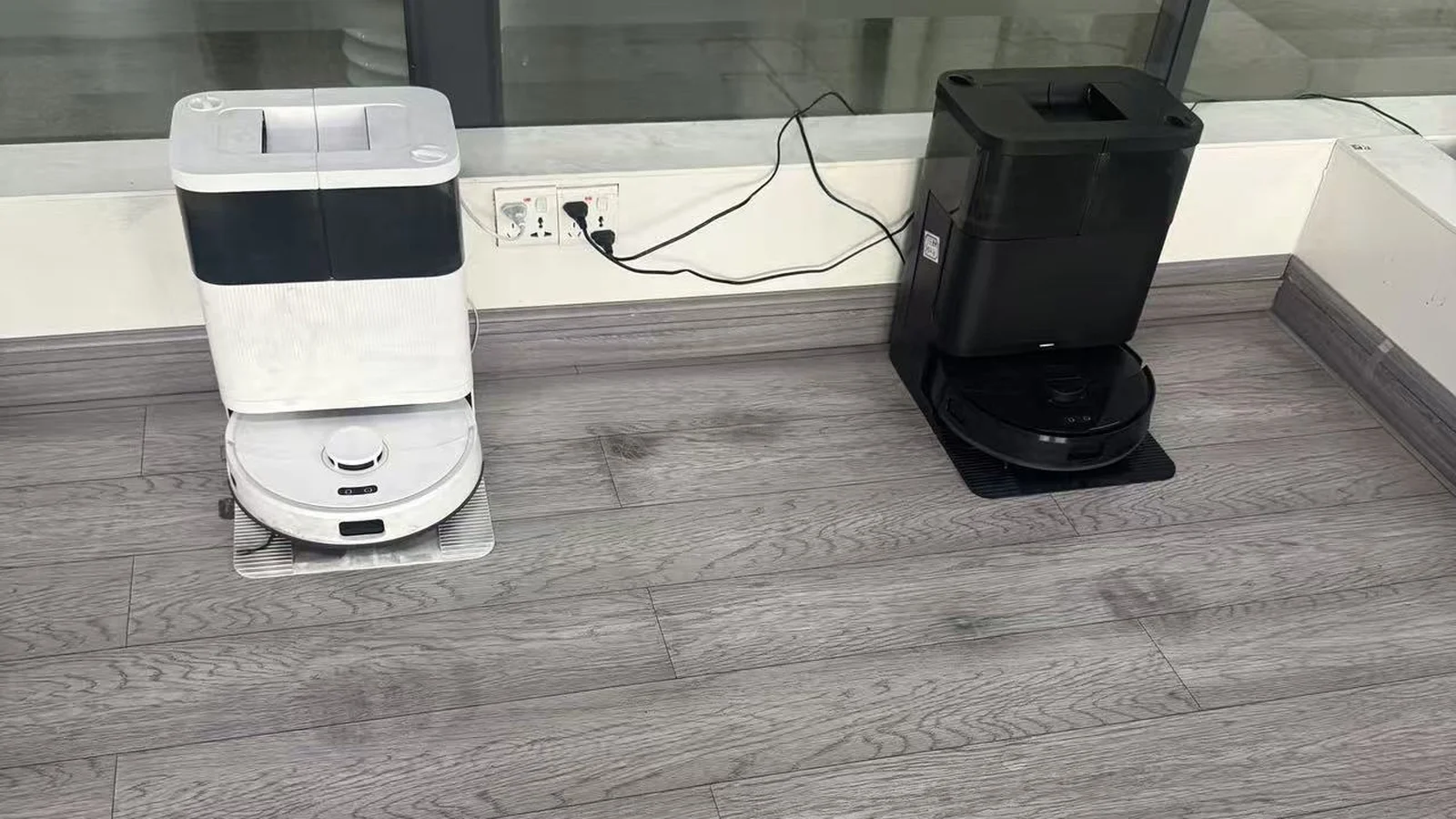
Why the SW75 Configuration Matters
The 7mm Lift & 8N Pressure: True hard floor cleaning requires pressure. 8N mimics manual scrubbing. The 7mm lift ensures that medium-pile carpets remain completely dry when the robot transitions from hard floors, a critical pain point for consumers.
Battery & Coverage: The 5200mAh battery is engineered for large homes. It easily covers a 120㎡ floor plan on a single charge. If the battery runs low, the recharge-and-resume function ensures the job is finished automatically.
GDPR Friendly dToF: Unlike camera-based systems that raise privacy concerns and require complex data handling, the dToF LiDAR maps precisely without capturing or uploading images, making it inherently GDPR friendly for European markets.
Choose the station tier by the channel you sell into. Entry stations with auto-empty only suit price-sensitive volume channels. Mid-range stations with cold-water washing suit mainstream retail. Stations with hot-water washing, hot-air drying, auto-refill, and auto-lift suit premium retail, brand-led e-commerce, and distributors who pitch on performance rather than price. Matching the tier to the channel avoids the two common mistakes: over-specifying a budget listing, and under-specifying a flagship launch.
A three-tier portfolio covers more of the market than any single SKU. Position the SW75 as the flagship that anchors the brand image, the SDL40 as the mid-range LiDAR option at 5,000Pa, and the SG30 as the entry gyroscope option at 3,000Pa. Buyers who cannot justify the flagship still stay inside your range, and buyers who start at the entry tier have a clear upgrade path. The three models share one brand story, with the station as the visible difference between tiers.
Size the battery to the home, not to the brochure. The 5200mAh battery handles homes over 120m² on a single charge in quiet mode, and recharge-and-resume covers larger homes. Mixed flooring is the other sizing factor: homes with hard floors plus rugs need the 7mm lift and the 8N pressure more than homes with one floor type. When a distributor asks which homes the SW75 fits, the short answer is mixed-floor homes above the size where a small robot would need two charges.
Who Buys the SW75?
Tailored for businesses ready to dominate the premium segment.
Premium Distributors
Hot-water washing and hot-air drying are the new flagship standards. 10,000Pa and dToF serve as powerful numerical weapons during B2B pitching and retail negotiations.
Private-Label Brands
The Tuya App integration provides instant access to mapping, scheduling, and OTA updates—eliminating the need to build an expensive in-house software development team.
E-commerce Sellers
One highly visual, spec-heavy flagship SKU outperforms five mediocre ones. A 500-unit trial order for Amazon UK or US provides immediate social proof and high margins.
Retail Chains
Perfect for live demonstrations. The hot-water wash is visible, the 7mm lift is obvious, and the 20,000Pa auto-empty is audible. Three "look here" moments in under 60 seconds.
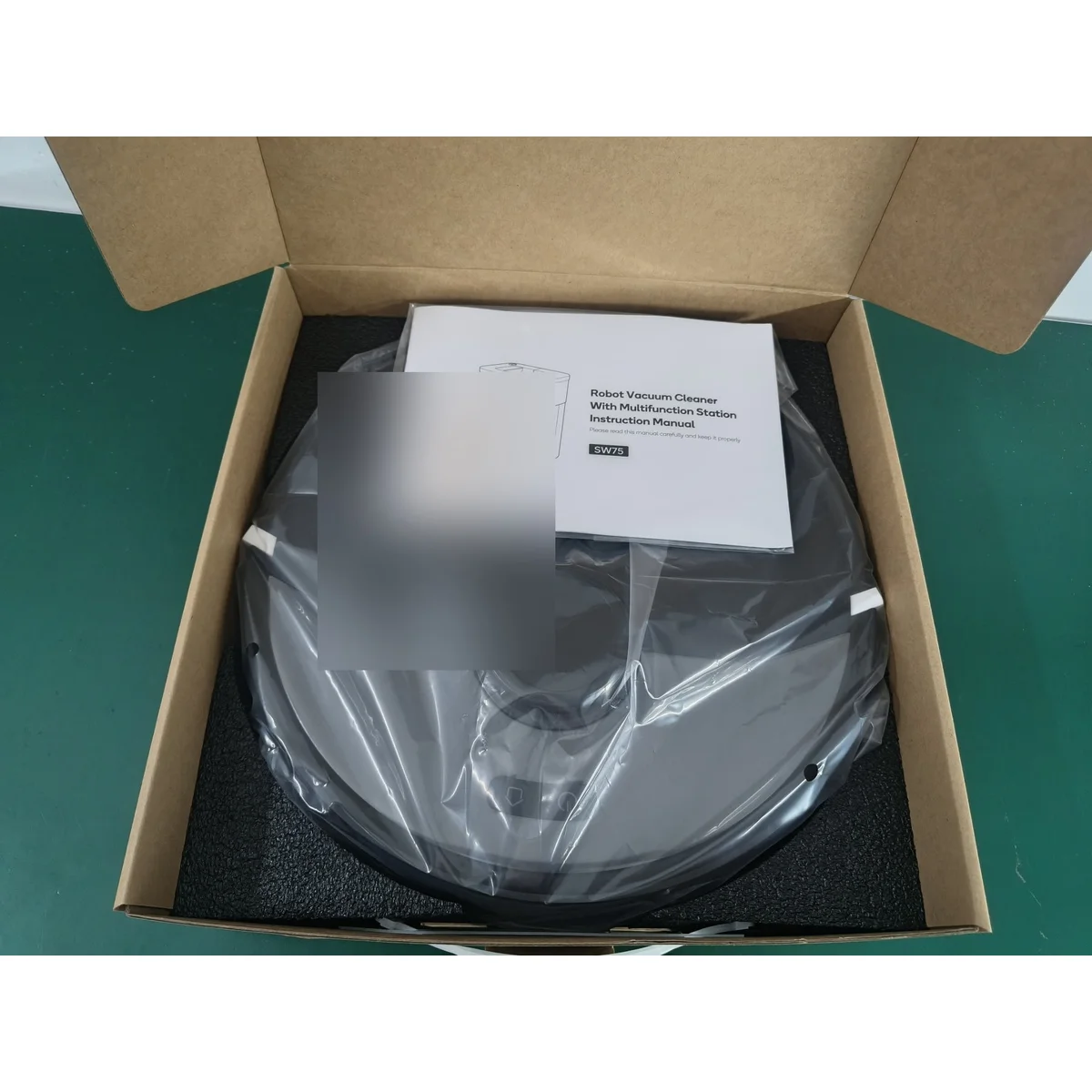
Premium distributors buy the SW75 because their retail accounts ask for hot-water washing and hot-air drying by name. Those two features have become the entry ticket for flagship shelf space. The 10,000Pa suction and dToF navigation give distributor sales teams hard numbers to use in pitches and tenders, and the station gives them a demo that closes meetings. Distributors also value the consumables stream — bags, pads, filters — because it turns a one-time hardware sale into repeat orders.
Private-label brands buy the SW75 because the Tuya App removes software from the project plan. There is no app team to hire, no mapping engine to build, and no update infrastructure to maintain. Brand customization covers the app icon, splash screen, device UI, packaging, manuals, and voice prompts, so the product reaches the market looking like the brand’s own flagship. Dual-band WiFi plus Bluetooth pairing keeps connectivity support tickets low, which matters more to a small brand team than any single feature.
E-commerce sellers buy the SW75 because one strong flagship listing outperforms several weak ones. A single SKU with clear photography, a station demo video, and verified reviews builds ranking and conversion faster than a scattered catalog. A 500-unit trial order is the right size to test an Amazon UK or US listing: enough stock to hold ranking through the first review cycle, small enough to limit exposure if the listing needs repositioning.
Retail chains buy the SW75 because it performs on the showroom floor. The hot-water wash is visible, the 7mm lift is visible, and the 20,000Pa empty is audible. Staff can run the three-moment demo in under a minute and hand the customer a reason to choose this unit over the one beside it. For retail, that demo is the marketing: the product sells itself once the customer has seen the station work.
Station Maintenance & Consumables Planning
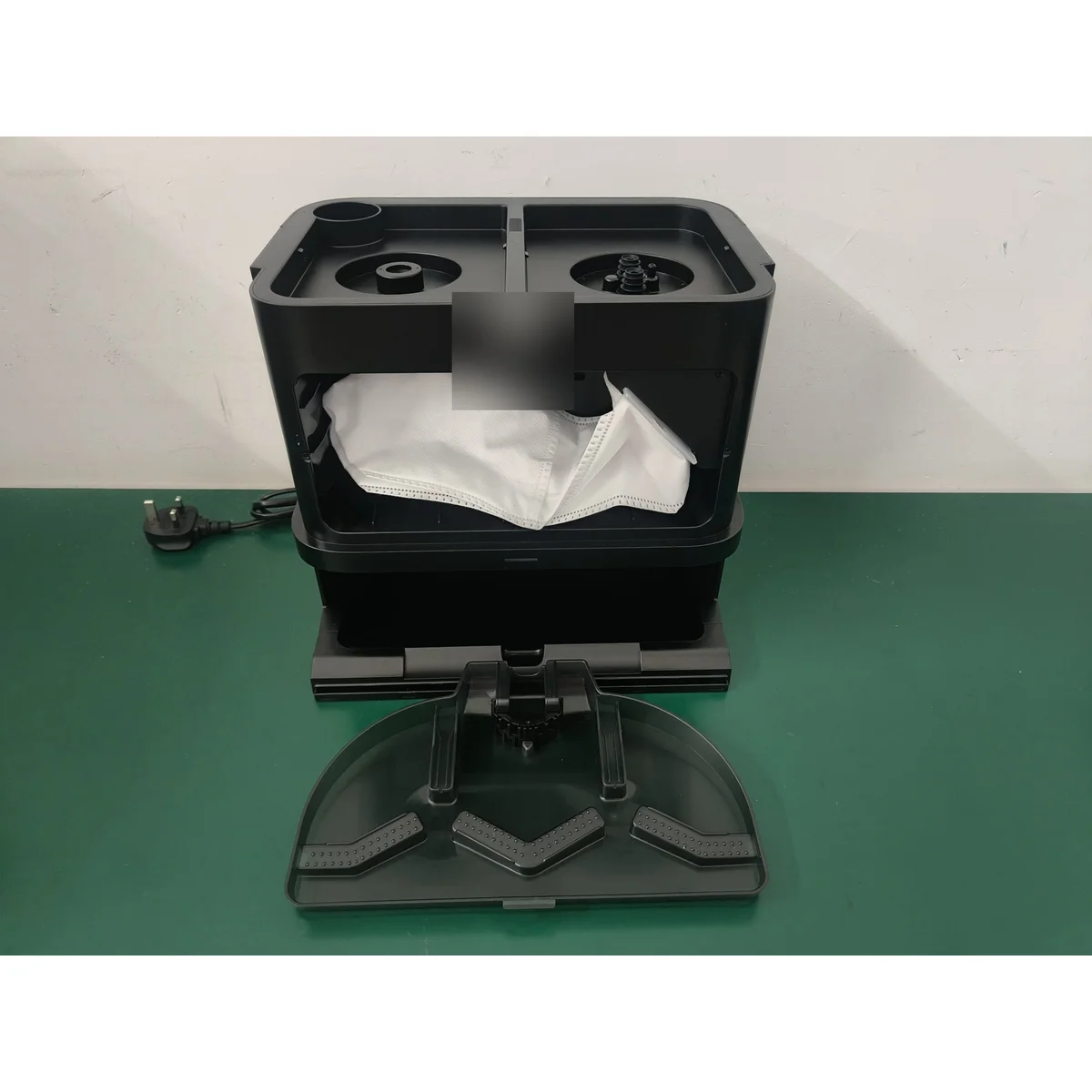
The all-in-one station is designed for low maintenance, not zero maintenance. Proper consumable planning ensures long-term customer satisfaction and creates a recurring revenue stream for your brand.
-
3L Dust Bag (60 Days)
Each unit ships with 2 bags. We strongly recommend bundling an additional 2 bags per unit during your wholesale order to cover the first 6 months of consumer use.
-
Mop Pads (3-6 Months)
The hot-water washing significantly extends pad life, but they should be replaced every 3-6 months depending on usage frequency.
-
Brushes & HEPA Filter
Users should tap out the HEPA filter monthly. For homes with pets, we advise replacing the side brushes and filter every 6 months.
-
Water Tank Handling
While the hot-air drying handles the mop, the dirty water tank requires manual emptying after a full cleaning cycle to prevent odors.
Pro Tip: Quote a "12-Month Consumables Pack" as an upsell SKU. It increases your AOV and guarantees customer satisfaction.
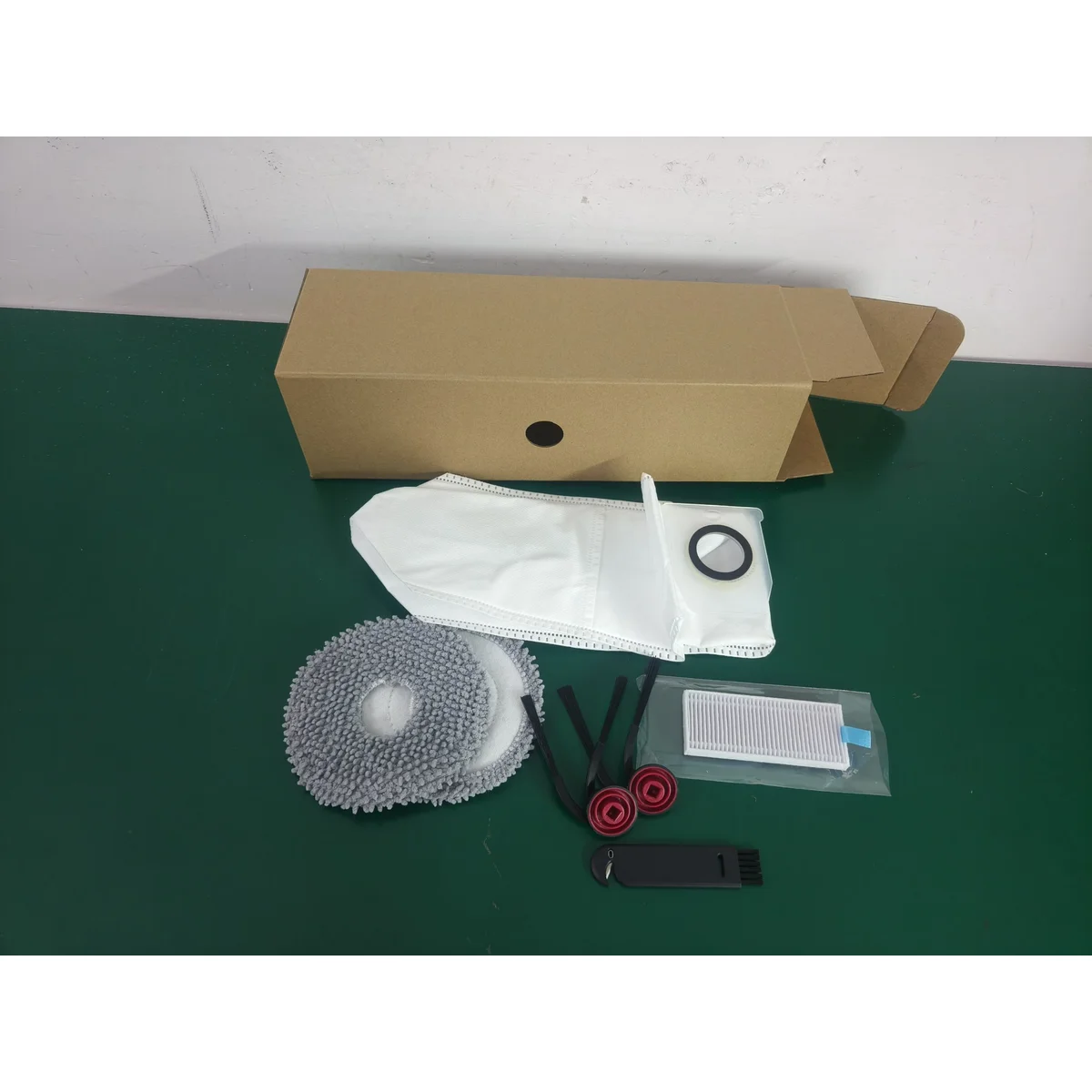
Treat consumables as a product line, not an afterthought. The unit ships with 2 mop pads, 2 side brushes, 2 HEPA filters, 2 dust bags, and 1 cleaning brush. A 12-month consumable bundle — extra bags, pads, and filters — makes a clean upsell SKU and saves the customer from hunting for parts later. Quote it alongside the robot, not after the sale: buyers decide on consumables when they are already budgeting for the launch, and the bundle price looks small next to the hardware order.
The dirty-water tank is the one maintenance step owners forget. Hot-air drying handles the mop pads, but the 4L dirty-water tank still needs manual emptying after full cleaning cycles. If it sits, it smells. Put that line in the manual, on the quick-start card, and in the distributor training: empty the dirty tank after each full clean, rinse it, and let it dry. That single habit prevents most of the odor complaints that reach support teams.
Plan service the same way you plan sales. Keep spare bags, pads, filters, and side brushes in stock before launch, so the first support request gets a part rather than an apology. Log which consumable fails first in each market — pet homes wear filters faster, large homes wear pads faster — and adjust the bundle for the next order. A brand that answers a consumables question on the first message earns more repeat business than a brand with a slightly lower hardware price.
Tuya App & Smart Features in Practice
Stop burning capital on software development. The SW75 runs natively on the Tuya IoT platform, giving your brand immediate access to enterprise-grade smart home infrastructure.
Rapid Mapping
The dToF LiDAR + Line Laser maps a 100㎡ space in approximately 10 minutes. Users can easily split, merge, and name rooms.
Advanced Zoning
Set virtual walls, no-go zones, and no-mop zones. Assign specific suction levels and water flow rates to individual rooms (e.g., max suction for the kitchen, quiet mode for the bedroom).
Intelligent Scheduling
Schedule room-by-room cleaning. If the battery depletes during a massive job, the robot utilizes breakpoint resume to recharge and finish the task automatically.
Voice & OTA
Native support for Alexa and Google Home. Multi-language voice prompts. Navigation algorithms receive Over-The-Air (OTA) updates to continuously improve performance.
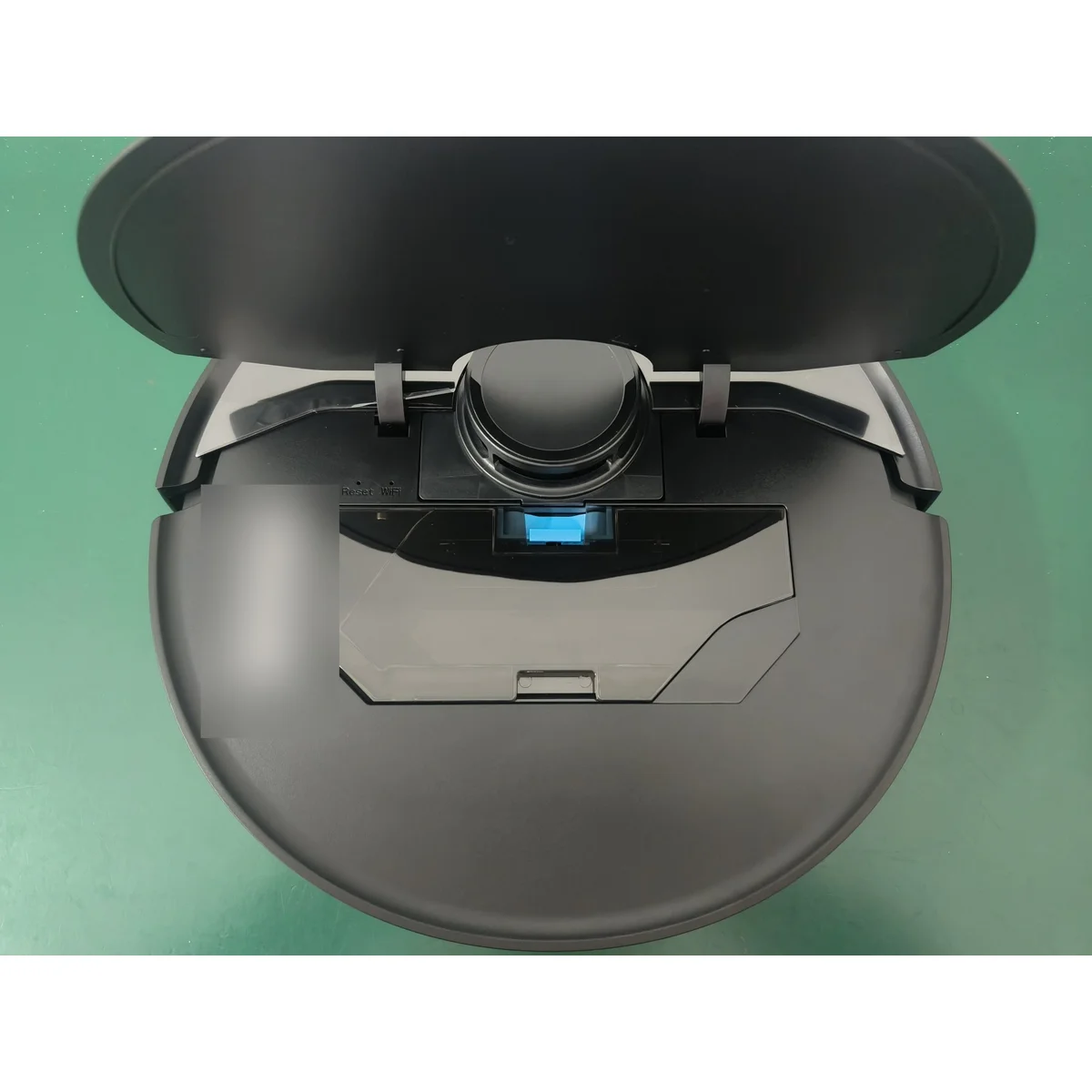
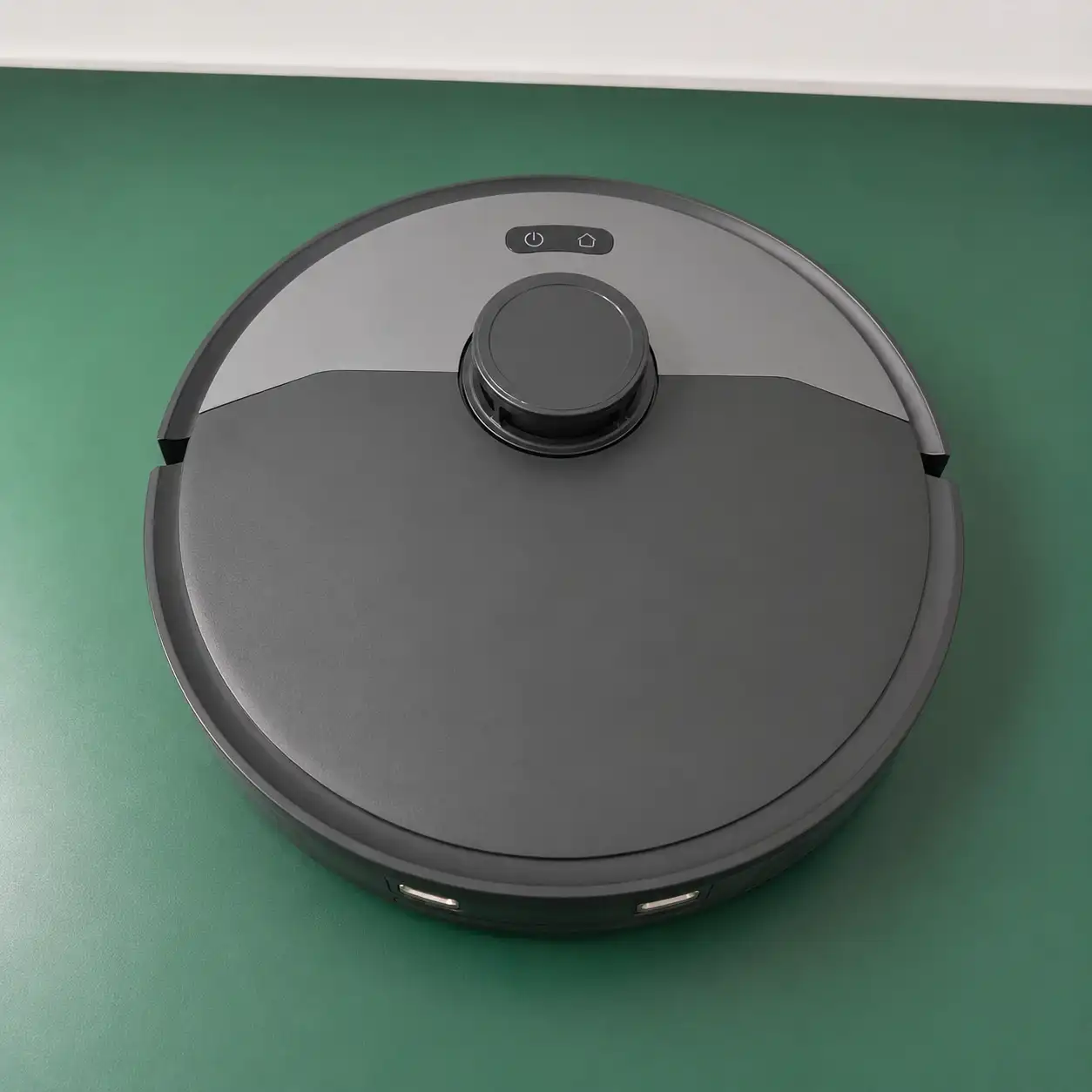
Zoning is where the app earns its keep. Set virtual walls to keep the robot out of a play area, no-go zones for pet bowls, and no-mop zones for rugs. Then set suction and water flow per zone: maximum suction on rugs, heavier water flow on kitchen tile, lighter flow on wood. Owners who set zones once rarely touch the app again except to schedule — the robot simply follows the rules they already gave it.
Scheduling works room by room. A typical setup cleans the kitchen and hallway daily, the living room every other day, and the bedrooms twice a week. If the battery runs low during a large job, the robot docks, recharges, and resumes exactly where it stopped. That resume behavior is what makes scheduling trustworthy: the owner does not have to check whether the job finished, because the robot finishes it on its own.
Branding covers the whole app surface. The app icon, splash screen, and device UI carry the buyer’s brand, and the robot’s voice prompts can be localized to the target market. Over-the-air updates keep navigation improving after the sale, so early buyers get a better robot over time without a hardware change. For a private-label brand, that combination — branded app, localized voice, ongoing updates — is the closest thing to owning a software team without hiring one.
From Sample to Shelf — The SW75 Order Process
Partnering with a direct factory ensures streamlined communication and reliable delivery timelines. Here is how we bring your brand to market.
24-Hour Quote
Send us your desired configuration, target quantity, target market, and customization needs. We provide a comprehensive quote within 24 hours on working days for standard models.
Sample Evaluation
Evaluate 1 sample unit. Samples are typically dispatched within 3 working days to ensure you can test performance immediately.
Confirmation & Deposit
Upon sample approval, confirm your packaging details and brand assets. A 30% deposit initiates the order (MOQ: 500 units).
Production
Mass production takes 50 days for the first order to accommodate custom packaging and app setup. Repeat orders are completed in 45 days.
Rigorous QC
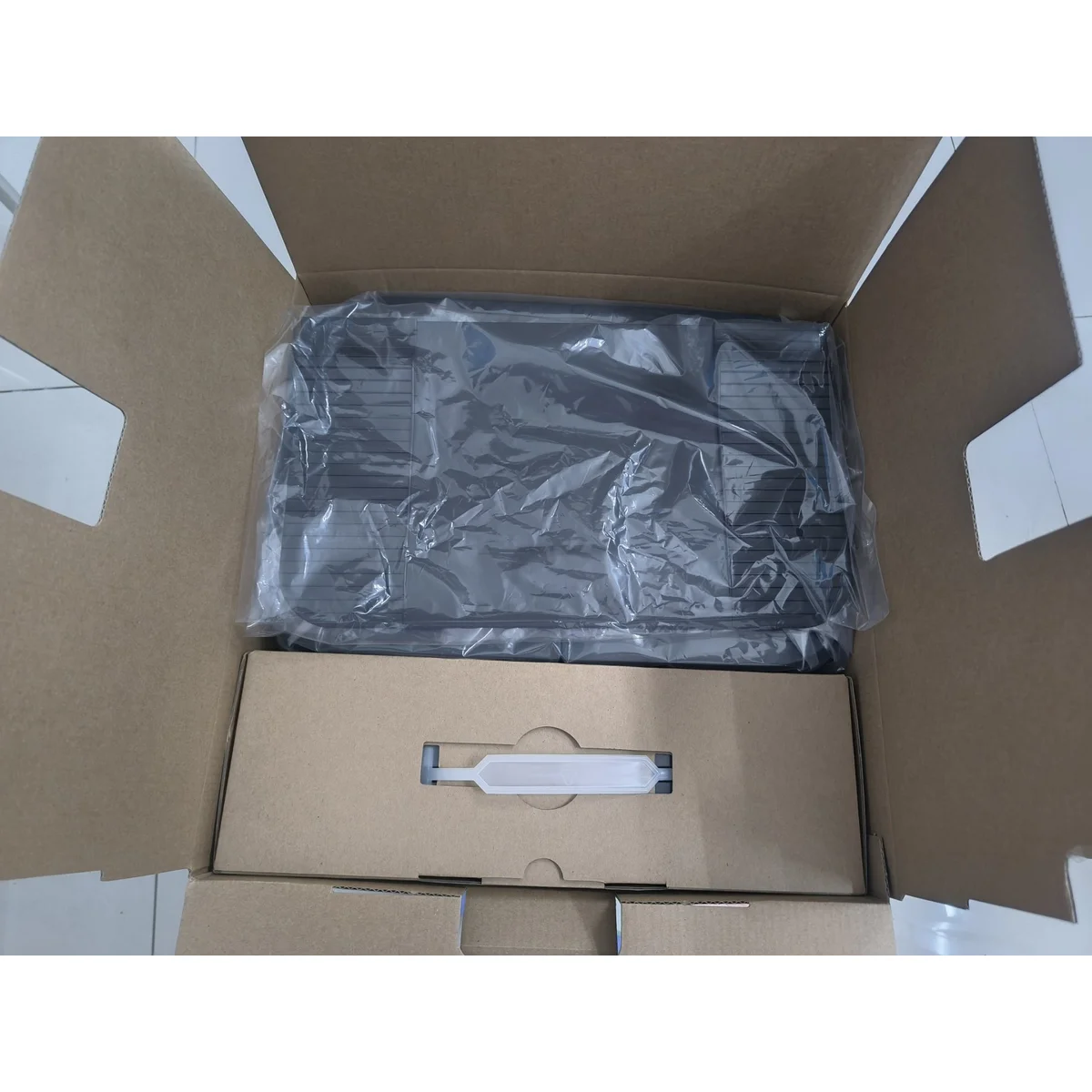
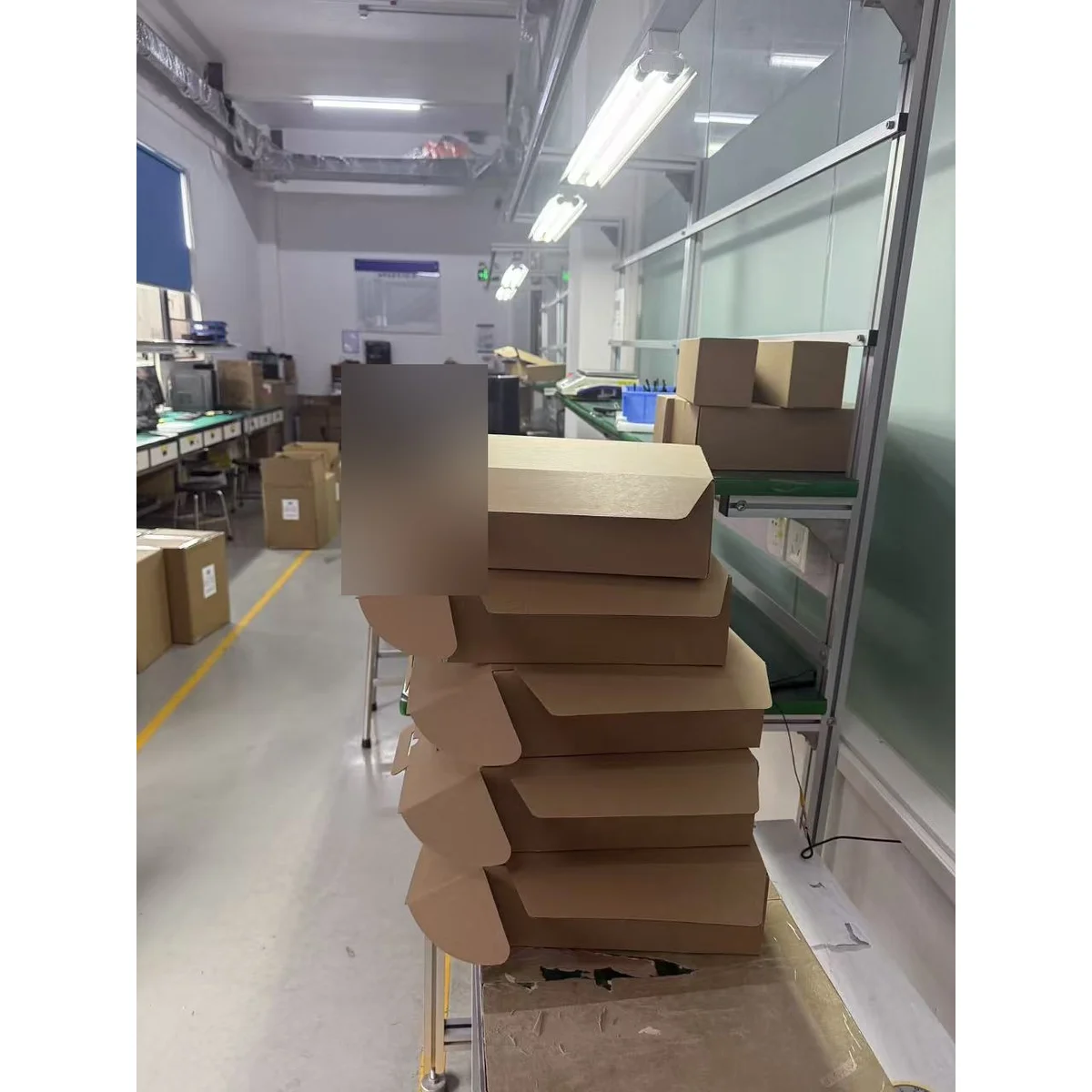
Every single unit undergoes strict quality control. The final product is packed 1 set per carton (35.5×35.5×49.5cm, 10kg Gross Weight).
Shipping (FOB Shenzhen)
Container loading capacities (without pallets): 20GP fits 300 units, 40GP fits 760 units, and 40HQ maximizes at 960 units.
Q4 Timeline Alert
Sample testing (2 weeks) + Production (50 days) + Ocean Freight (4-5 weeks) = Approx. 3.5 months. If you plan to launch for Q4 holiday sales, you must initiate the project in Q2.
Ready to Start?
Contact us today to receive a detailed quotation and arrange your sample unit.
Request a QuoteEvaluate the sample the way your customers will use it. Run it on hard floors and carpet, test the mop lift on a rug edge, run the station through wash and dry, and pair the app on both WiFi bands. Check the packaging as well: carton strength, manual language, and label accuracy all matter at customs and at retail. A sample that passes the cleaning test but fails the packaging check still delays launch, so check both before confirming the order.
Confirmation is where the timeline locks. Finalize specifications, packaging artwork, manual translations, and app branding, then pay the 30% deposit to start production. First orders take 50 days because custom packaging, manuals, and app integration all need setup; repeat orders take 45 days. Build the schedule backward from the shelf date: sample evaluation, production, and ocean freight add up to about three and a half months, so a Q4 launch means starting in Q2.
Shipping is FOB Shenzhen, with container loading of 300 units in a 20GP, 760 in a 40GP, and 960 in a 40HQ without pallets. Plan the first container around the launch: enough stock for the opening weeks plus the consumables bundle, without over-committing before reviews arrive. Confirm carton artwork before production begins — artwork changes after the print run cost time that the launch calendar usually does not have.
SW75 vs. Mainstream Flagships
Buyers frequently compare the SW75 with top-tier models from Roborock, Dreame, and Ecovacs. Here is the honest breakdown to help you understand about Kingbot our competitive edge.
Where the SW75 Wins
- Value Proposition: Delivers hot-water washing and hot-air drying at a significantly more competitive price point.
- Capacity: The 3L dust bag and 4L/4L water tanks are often larger than direct competitors, reducing manual intervention frequency.
- Zero Dev Cost: Tuya integration means zero app development costs for private labelers.
Where Competitors Win
- Brand Recognition: They are established consumer brands with massive marketing budgets.
- AI Obstacle Avoidance: Some ultra-premium models feature more advanced camera-based AI object recognition (though this raises GDPR concerns).
The Private Label Strategy
Leverage the SW75's flagship specifications under your own brand, positioning it on shelves at a retail price 20-30% lower than the major players. Focus your marketing heavily on the base station's visible features.
For the Skeptics: Don't just test the robot; test the station. Perform three simple demonstrations: show the hot water lifting a stain, demonstrate the 7mm lift on a rug, and let them hear the 20kPa auto-empty. It takes 60 seconds to close the deal.
The private-label pricing strategy is simple: flagship hardware, your brand, and a shelf price below the mainstream names. The SW75 supports that strategy because its station features — hot-water washing, hot-air drying, 3L bag, dual 4L/4L tanks — match or exceed what buyers expect from a flagship, while the Tuya platform removes app development cost from the budget. Spend the saving on photography, video, and reviews, where it moves conversion, rather than on rebuilding software that already exists.
The demo script closes the comparison. Run the hot wash, show the 7mm lift, and trigger the 20,000Pa empty — three moments, sixty seconds. Then ask the buyer to compare the station, not just the robot: tank sizes, bag size, wash temperature, and drying. Buyers who compare stations see the SW75 clearly. Buyers who compare logos do not, which is why the demo matters more than the brochure.
Be honest about where established brands win. They have consumer awareness, retail relationships, and sometimes more experimental obstacle-avoidance features. Do not claim otherwise — buyers know it. The answer is positioning: the SW75 is not trying to outspend Roborock or Dreame on brand. It gives a distributor or private label a flagship they can sell under their own name, at a price their customers accept, with a station their customers can see working.
Quality Control & Certifications
Every SW75 unit undergoes rigorous QC before packing. Each unit is checked for function, station pairing, navigation, mop and brush operation, and water handling, so the unit that leaves the factory is the unit the customer receives. Packaging is checked as part of the same pass: carton, accessories, manual, and labels are verified against the confirmed order before the carton is sealed. If a unit fails any check, it does not ship.
Certifications cover the major markets. The SW75 holds CE, RoHS, and FCC, plus standard battery safety certifications including UN38.3 and MSDS. These are the documents distributors and retail buyers ask for first, and they should be confirmed during the quotation phase for the specific target market. If a region requires additional compliance testing beyond this list, raise it early — testing added after production starts costs weeks that the launch plan usually cannot spare.
Warranty is 12 months from the Estimated Time of Arrival (ETA) of the shipment at the destination port, covering manufacturing defects and internal hardware failures under normal intended usage. Keep the warranty terms, the consumables schedule, and the dirty-tank routine in the same document set as the manual: customers who understand all three file fewer support tickets, and distributors who can quote all three close deals faster.
Complete Specifications
| SW75 Robot Vacuum Specifications | |
|---|---|
| Navigation | dToF LiDAR + Line Laser |
| Suction Power | 10,000Pa |
| Battery Capacity | 5200mAh |
| Runtime | 80 min (10,000 Pa) / 102 min (3,500 Pa) / 131 min (2,500 Pa) / 175 min (1,500 Pa) |
| Dustbin Capacity | 300ml |
| Onboard Water Tank | 55ml (Auto-refilling) |
| Main Brush | Floating Main Brush |
| Carpet Detection | Ultrasonic + Auto Suction Boost |
| Mopping System | Dual Rotating, 180 RPM, 8N Pressure, 7mm Auto-Lift, Edge Extension |
| Electronic Water Control | Yes |
| Obstacle Crossing | 20mm |
| Robot Dimensions | 320 × 320 × 96mm |
| Robot Power | 55W |
| Voice Prompts | Yes (Multi-language) |
| Connectivity | 2.4G + 5G WiFi + Bluetooth |
| App Platform | Tuya App (Brand customization supported) |
| All-in-One Station Specifications | |
|---|---|
| Station Dimensions | 327 × 230 × 436mm |
| Station Weight | 5.6kg |
| Station Power | 650W |
| Dust Bag Capacity | 3L (Approx. 60 days) |
| Clean Water Tank | 4L |
| Dirty Water Tank | 4L |
| Auto-Empty Suction | 20,000Pa |
| Core Functions | Auto-Empty, Self-Cleaning, Hot-Water Wash, Hot-Air Dry, Auto-Refill |
| Packaging & Logistics | |
|---|---|
| Standard Accessories | Mop Pad ×2, Side Brush ×2, HEPA Filter ×2, Dust Bag ×2, Cleaning Brush ×1 |
| Packaging Unit | 1 Set / Carton |
| Carton Dimensions | 35.5 × 35.5 × 49.5cm |
| Gross Weight | 10kg |
| Net Weight | 9kg |
| Container Loading (No Pallet) | 20GP: 300 units / 40GP: 760 units / 40HQ: 960 units |
| Minimum Order Quantity (MOQ) | 500 units / model (1 Sample allowed for testing) |
| Lead Time | First Order: 50 Days / Repeat Orders: 45 Days |
| Warranty | 12 Months from ETA |
Frequently Asked Questions
Find answers to common technical and commercial queries. Visit our FAQ page for more.
What is the MOQ for SW75?
What is the lead time for SW75 orders?
Does SW75 support OEM/ODM customization?
What certifications does SW75 have?
What is the warranty for SW75?
What packaging details should be confirmed?
Does Kingbot publish fixed SW75 pricing?
How does the auto-empty station work?
What is the battery life of SW75?
Can SW75 clean carpets and hard floors?
Does SW75 support hot-water mop washing?
Can I brand the Tuya app?
What are consumable costs?
Suitable for homes over 120m²?
How does it compare to Roborock/Dreame?
Get Your SW75 Quote
Ready to add the SW75 to your product lineup? Fill out the form, and our sales team will provide a detailed quotation within 24 hours on working days for standard models. For immediate assistance, please contact our team directly.
Phone / WhatsApp
+86 186 8068 1063Factory Address
306 Zhuangshi Industrial Zone, Longgang District, Shenzhen, China