
Incoming

Kingbot's cleaning appliance quality control process helps importers, distributors, private label brands, Amazon sellers and retail buyers verify order readiness before samples, mass production or shipment. The checks cover robot vacuum cleaners, floor washers and wet dry vacuums, window cleaning robots and robotic pool cleaners, with evidence that buyers can review before booking a factory review.
Quality issues in cleaning appliances rarely come from one single step. A weak motor, loose terminal, wrong plug type, unsealed water tank, unclear manual or soft export carton can all create the same result for a buyer: returns, poor reviews and extra service cost. That is why Kingbot treats quality control as a full order-management process, not just a final inspection at the end of production.
The scope starts with incoming inspection for key components and continues through sample approval, pilot build, assembly checks, in-process QC, aging or function testing where applicable, packing review and sampling-based shipment release. Each checkpoint is tied to a buyer question: does this order match the approved sample, does it fit the target market, and is there enough evidence to release shipment with confidence?
This page is designed for buyer due diligence. It does not replace the cleaning appliance production process page or the Kingbot factory overview. It focuses on the inspection evidence, records and buyer checkpoints that help a sourcing team decide whether a sample order or bulk OEM order is ready to move forward.

A strong trust page should show proof, not only describe procedures. The gallery below uses Kingbot media as static fallback and can be refreshed from the WordPress media library when matching factory, testing or packing images are available.
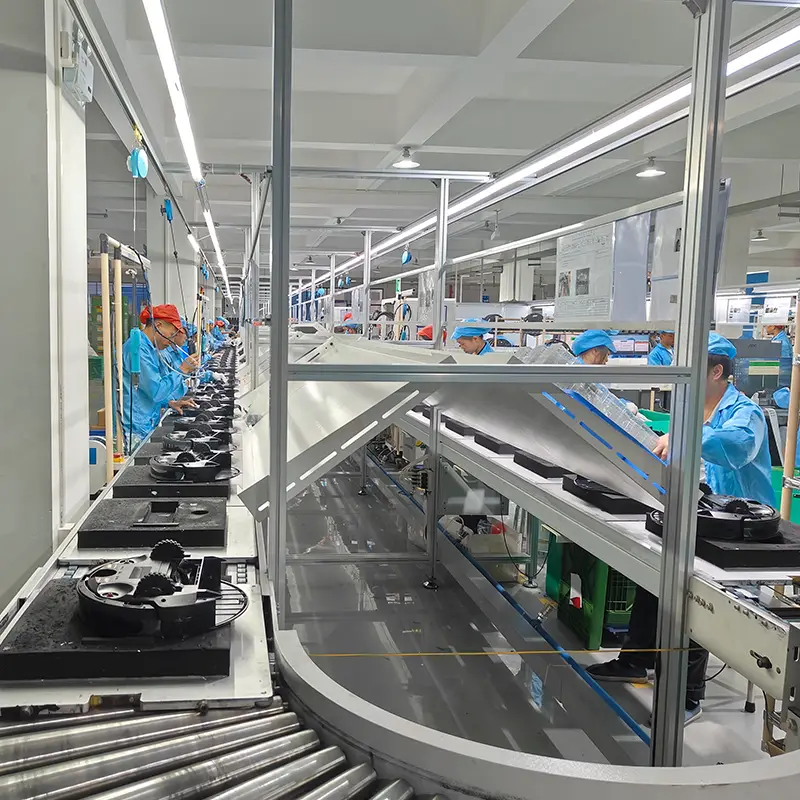
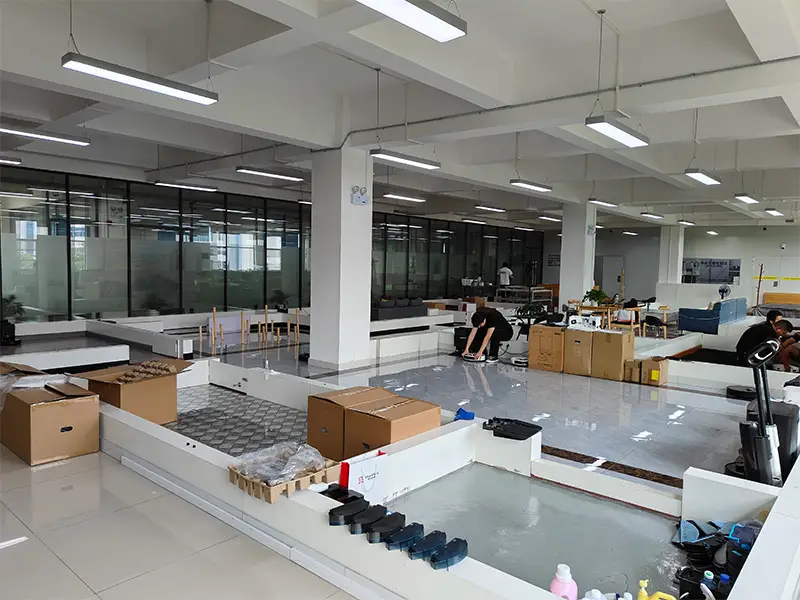
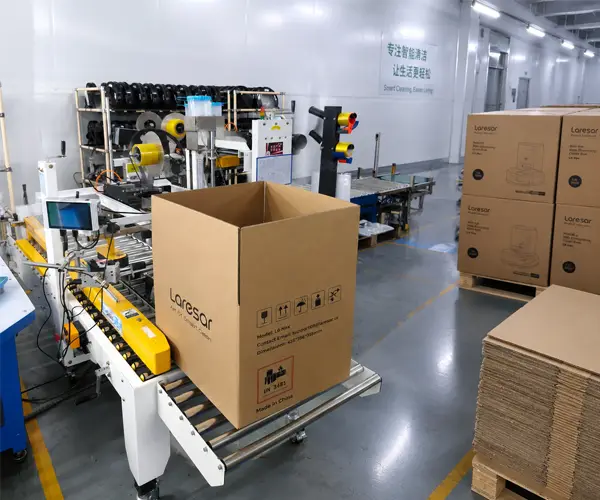
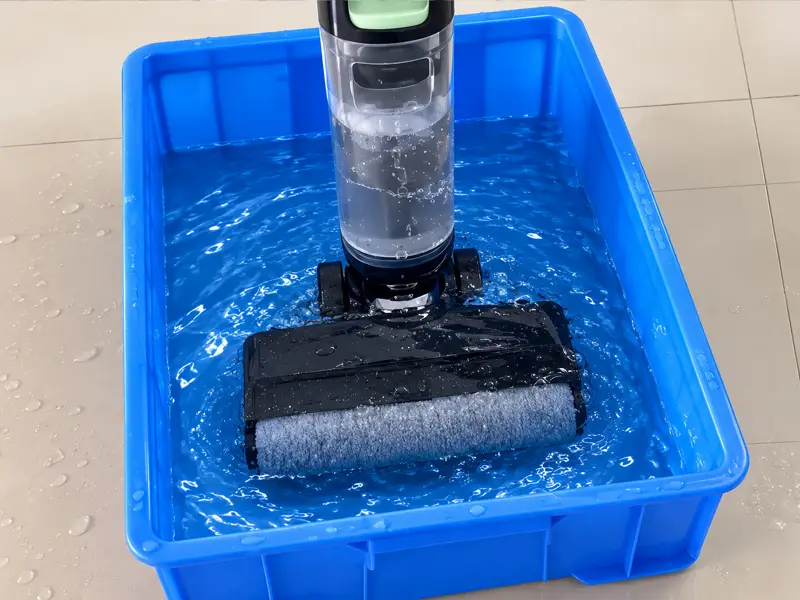
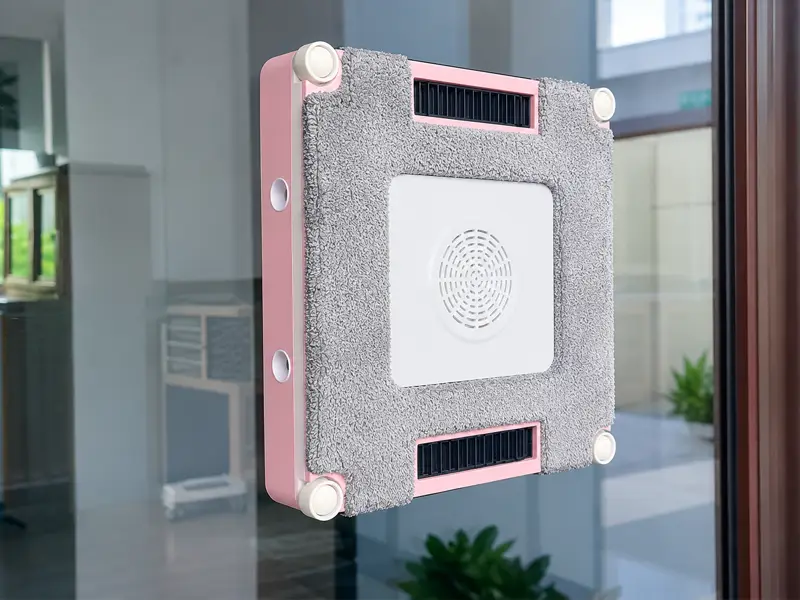
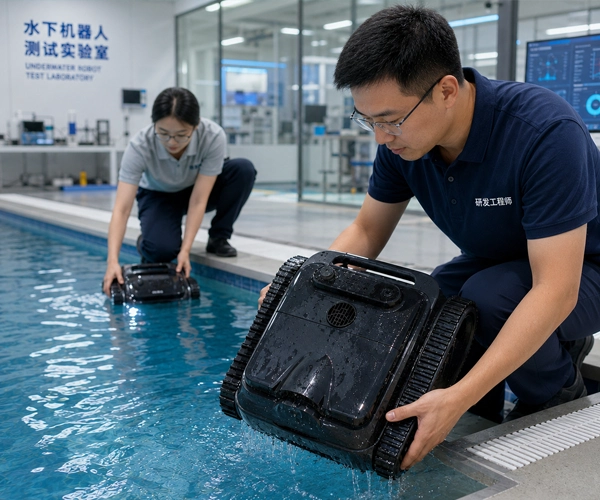
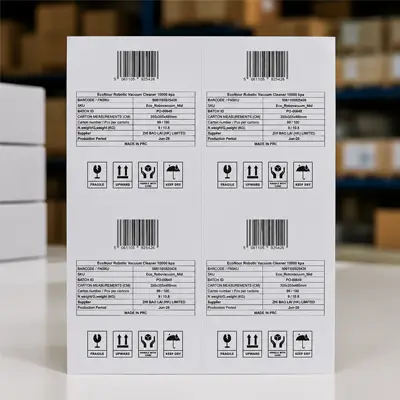
A practical workflow keeps the order traceable from component arrival to final carton release. Buyers can use these steps to ask precise questions instead of relying on vague factory claims.
Incoming inspection covers motors, batteries, PCBAs, pumps, tanks, sensors, plastic housings and packaging materials. Any mismatch is recorded before the part moves into assembly.
The approved sample sets the benchmark for function, color, finish, logo position, accessories and packaging. It becomes the reference point for mass production review.
A first article or pilot build helps confirm tooling, assembly rhythm and inspection details before the order scales. This step is useful for new OEM configurations.
In-process QC checks wiring, sealing, firmware, screw torque, sensor response and structural fit while production is still running. Early isolation prevents repeated defects.
The team verifies suction, movement, charging, water flow, app response where applicable, battery behavior and basic safety-related performance based on the product type.
Where applicable, sample units go through running checks to reveal early failures in motors, batteries, pumps or electronic controls before shipment approval.
Sampled finished goods are checked against agreed acceptance levels, buyer specifications and the approved sample. Major issues are reviewed before release.
Packing inspection confirms accessories, manuals, plug type, inner protection, color box, shipping mark, barcode and outer carton information.
Before shipment, buyers can request inspection photos, packing records, sample references and other available documents to confirm the order is ready.
Each product family has a different failure pattern. Kingbot's cleaning appliance quality control framework separates common order checks from product-specific checks so buyers can verify the details that actually affect use, review ratings and after-sales cost.
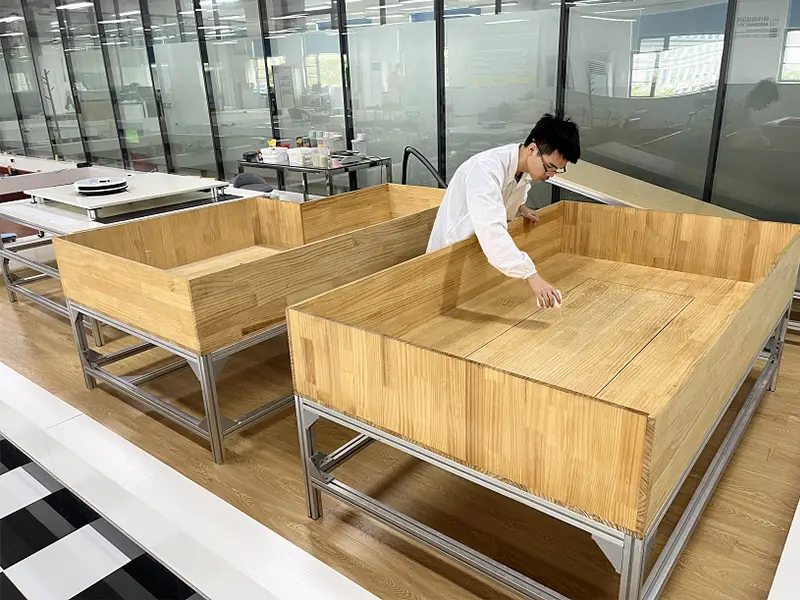
Checks focus on suction, navigation response, bumper and cliff sensors, brush motor, wheel movement, dustbin fit, water tank leakage, charging dock alignment, auto recharge and app connection where applicable. Robot vacuum range.
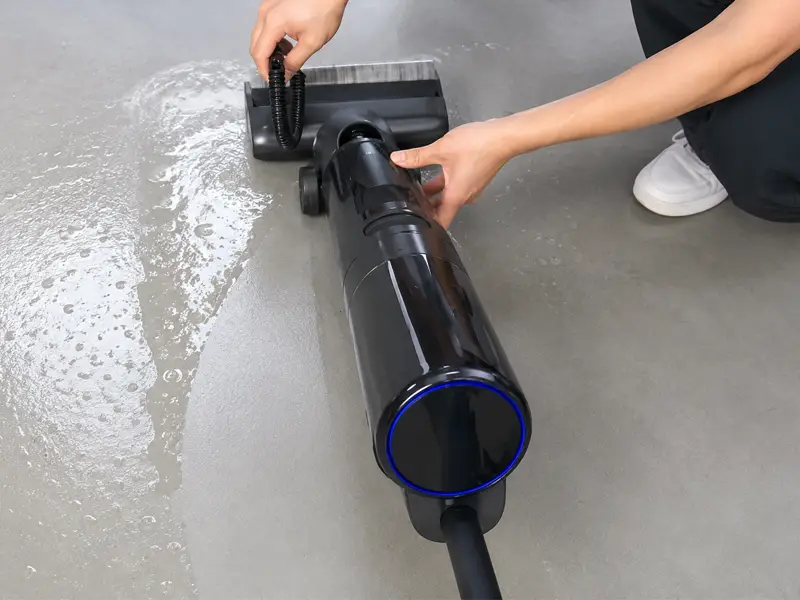
Wet dry vacuum and floor washer checks include suction, clean water tank, dirty water tank, roller brush, water spray, self-cleaning, drying function, leakage check and charging base fit. Floor washer range.

Window robot inspection focuses on suction stability, UPS backup, safety rope, edge detection, spray function, remote control, app control where applicable and cleaning pad fit. More buyer resources.
Pool robot checks review waterproof structure, motor response, filter basket, traction, route coverage, cable or battery configuration, debris collection and charging behavior where applicable. Wholesale program.
Sample approval is more than confirming that the machine turns on. A useful sample review should record the product configuration, target market version, plug type, accessory list, manual language, logo placement, label content, packaging artwork and any special requirement for private label cleaning appliances.
Kingbot keeps the approved sample as the reference for later inspection. If buyers adjust a function, color, SKU, barcode or carton mark after the first sample, the change should be recorded before mass production starts.
Traceability gives buyers a way to review what happened during production. Useful records may include inspection notes, batch information, sample photos, packing photos, defect notes, re-inspection results and shipment readiness checks.
When an issue appears during in-process QC or shipment review, the team can classify the defect, isolate affected units, check whether the same issue appears across the batch and confirm corrective action before release.
OEM orders add extra risk because the buyer's brand, market and channel requirements are part of the product. QC must check not only function, but also custom logo, color box, user manual, barcode, SKU, carton marks, market documents and accessory consistency.
For broader service details, buyers can review Kingbot's OEM and ODM cleaning appliance services and the OEM robot vacuum program.
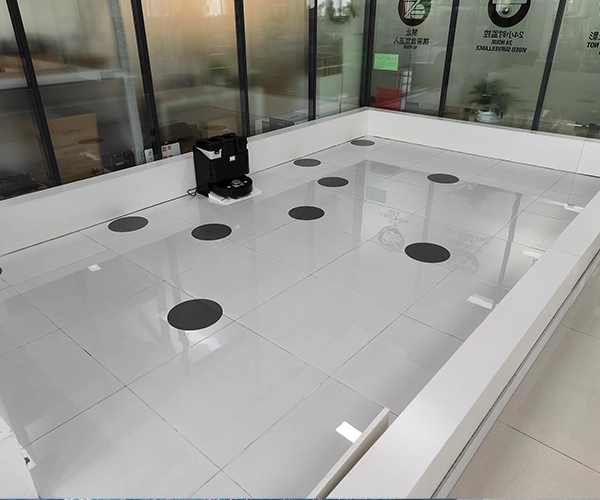
A realistic quality system does not promise that defects can never happen. It explains how the team catches, records and corrects them before shipment. Kingbot classifies defects by impact: safety-related or unusable issues are treated differently from small appearance marks or packaging marks.
When a problem appears, affected units are separated and the team checks whether the cause is material, assembly, tooling, software, packing or handling. Reworked units go through re-inspection. For meaningful changes from the approved sample, buyer confirmation is requested before the order is released.
This approach gives distributors and private label buyers a more useful answer than a simple "passed" label. It shows whether the supplier can manage defects, protect batch consistency and provide documents that support later review.
AQL is a sampling method used before shipment release. It does not mean that every single unit in the order is opened and fully tested. Instead, sampled finished goods are checked against agreed acceptance levels for critical, major and minor defects.
For cleaning appliances, the sampling plan should reflect the product's risk. A window cleaning robot may need closer attention to suction and safety backup, while a floor washer may need more focus on tank sealing and water flow. A robot vacuum order may require checks for navigation, charging dock behavior and app connection where applicable.
Buyers can discuss acceptance level, sampling size and inspection focus before the order starts. This makes the shipment review more useful because the checklist follows the product, the market and the buyer's sales channel.

Video evidence helps buyers see movement, production context, testing conditions and packing details. The videos in this section support the written process with visible production context, movement checks, testing conditions and packing details. Official Kingbot factory or product-testing footage should be used here whenever available.
Use factory footage to support the written process with visible assembly stations, handling methods and production flow. Buyers should be able to connect the video to the quality control steps described on this page.
Product videos can support buyer verification when they show movement, suction, water flow, charging behavior, packaging or inspection context rather than only lifestyle scenes.
Use this checklist before sample approval, pilot build or shipment release. How we manufacture robot vacuums.
| Buyer Question | What Kingbot Can Provide | Why It Matters |
|---|---|---|
| Does the order match the approved sample? | Golden sample reference, photos and configuration notes. | Keeps mass production aligned with the buyer's approved standard. |
| Are the key components correct? | Incoming inspection notes for motor, battery, PCBA, pump or sensor items. | Reduces the risk of repeated defects caused by wrong or unstable materials. |
| Was the product checked during assembly? | In-process QC logs and inspection photos where available. | Catches wiring, sealing, firmware and fit issues before final packing. |
| Is private label packaging correct? | Color box, label, barcode, SKU and carton mark confirmation. | Protects retail launch details and avoids warehouse receiving problems. |
| Are all accessories included? | Accessory checklist and packing photos. | Prevents service complaints caused by missing brushes, pads, cables or adapters. |
| Does the manual fit the market? | Manual language and version confirmation. | Supports safer product use and smoother customer support after delivery. |
| Is the final inspection standard clear? | Sampling agreement, defect classification and inspection result. | Makes shipment decisions more objective before final balance payment. |
| Are certificates or reports available? | Copies or excerpts where available for the product and market. | Helps buyers check compliance requirements without mixing unsupported claims into the order. |
| Is the shipment ready? | Stacked carton photos, packing summary and shipment readiness confirmation. | Gives the buyer a final evidence point before release. |
Quality control is only one part of supplier review. These supporting pages give buyers the factory background, company profile, production flow and compliance context behind this page.
Practical answers for buyers reviewing Kingbot's inspection process before samples or bulk production.
Share your product type, target market, quantity, private label requirements, packaging plan and inspection focus. Kingbot can respond with the next practical step for sample review, factory documents or shipment readiness confirmation.