LiDAR Mapping & Auto-Empty Demo
Use this clip to check room mapping, path behavior, docking accuracy and the handoff between the robot and the dust collection station.
Open video on YouTube

Source verified robotic vacuum cleaner programs designed for importers, distributors, private-label operators, and e-commerce retailers. Compare navigation systems, battery capacities, and station architectures to build a stable, market-ready home cleaning robot assortment.
Navigate our current production lines based on your target retail price points and required technology levels. Select the architecture that aligns with your distribution channel.
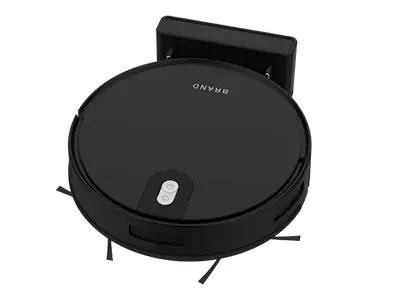
Gyroscope navigation, standard suction, ideal for budget retail and promotional volume programs.
Discuss Entry Models →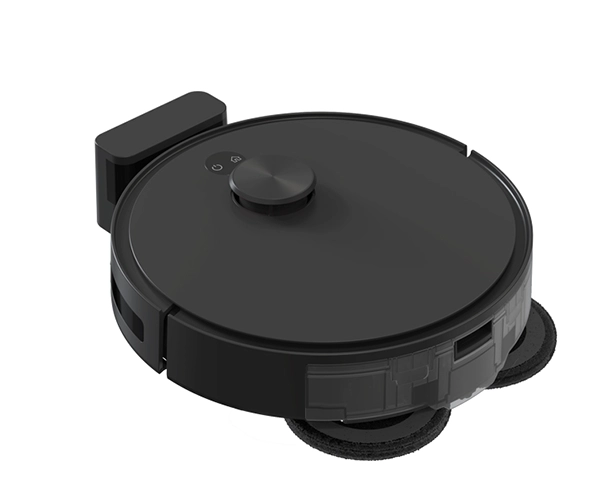
Precision laser mapping, room selection, and no-go zones for mid-tier smart home assortments.
Discuss LiDAR Models →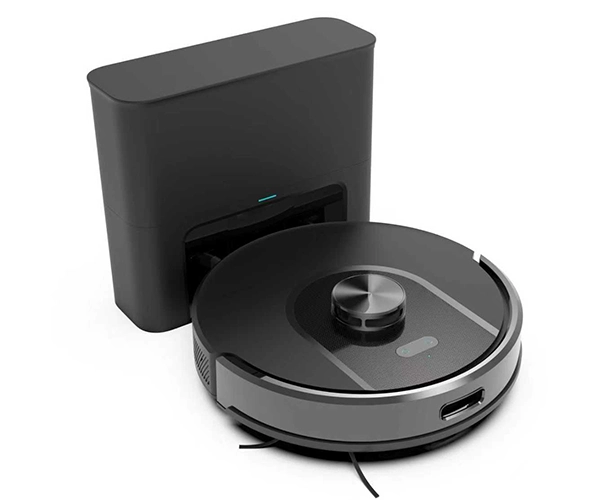
Auto-dust collection stations with 3L+ dust bags, minimizing user maintenance for premium convenience.
Discuss Self-Emptying →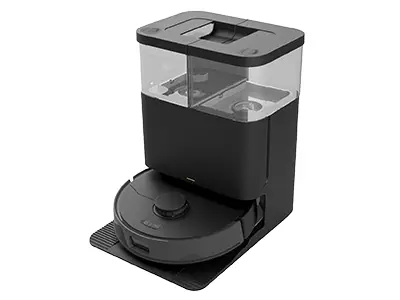
Hot-water mop washing, hot-air drying, and auto-emptying for flagship retail positioning.
Discuss Flagship Models →Review our verified production models. These platforms are available for private-label customization, packaging modification, and localization for your target market.
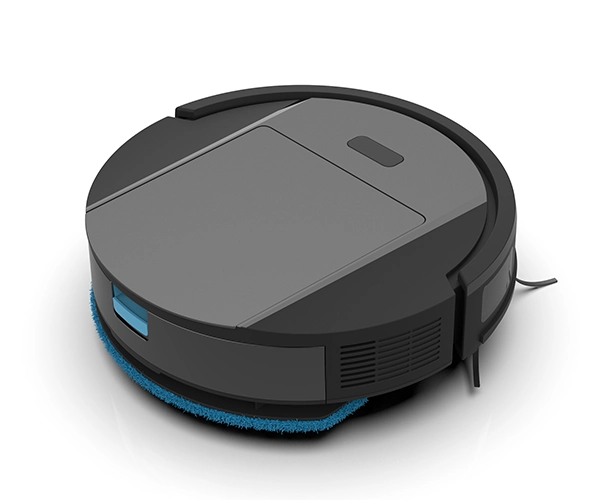
Navigation: Gyroscope
Suction: 2500Pa (Suction-port design, pet-hair friendly)
Runtime: 2600mAh, up to 120 minutes
Capacity: 300ml dust tank, 250ml water tank
Station: Auto docking
Control: Tuya app, remote control
Retail Position: Value entry program, tile/wood/basic carpet

Navigation: Gyroscope
Suction: 3000Pa (Roller brush for active pickup)
Runtime: 2600mAh, up to 120 minutes
Capacity: 260ml dust tank, 300ml water tank
Station: Auto docking
Control: Tuya app, remote control
Retail Position: Upgraded entry program, tile/wood/carpet
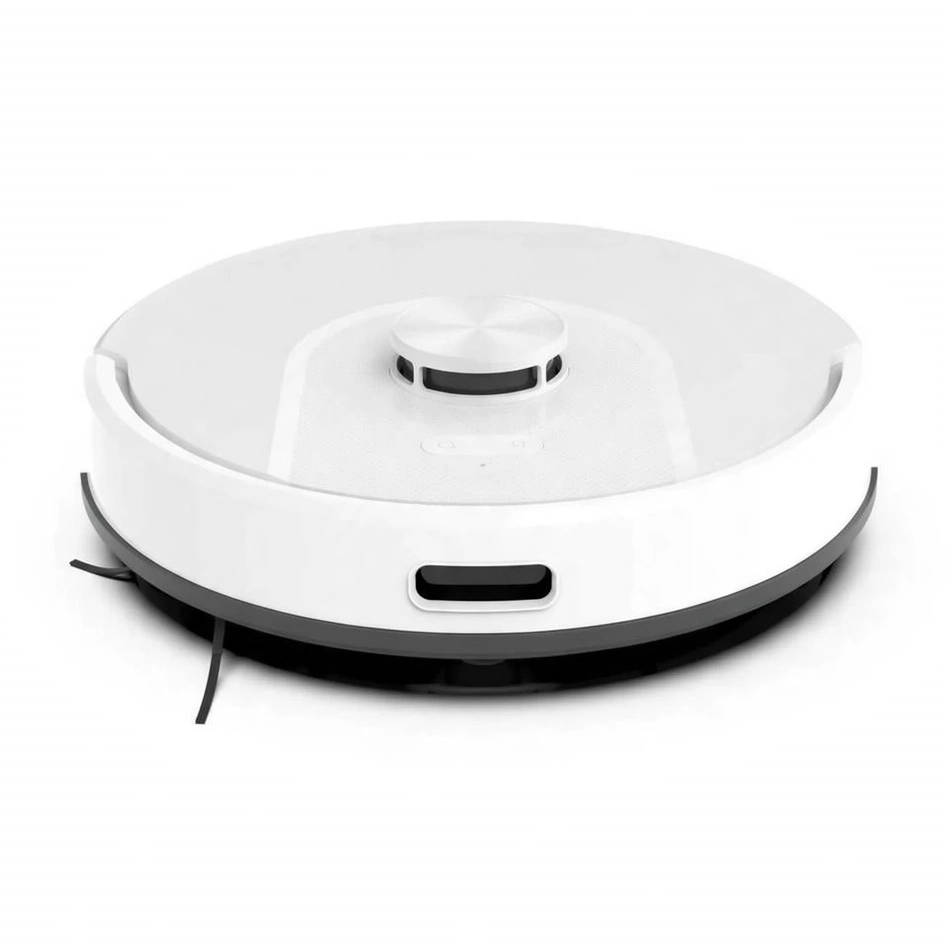
Navigation: LiDAR + SLAM
Suction: 3000Pa standard (Up to 5000Pa maximum config)
Runtime: 2600mAh battery
Capacity: 240ml dust bin, 250ml water tank (2-in-1)
Station: Auto docking
Control: Tuya/Smart Life app, room selection, no-go zones
Retail Position: Mid-premium smart mapping program
Navigation: LiDAR plus SLAM
Suction: 3000Pa standard (Up to 5000Pa maximum config)
Runtime: 2600mAh or 3200mAh, 120-150 minutes
Capacity: Confirm with Kingbot
Station: Optional 2L auto-dust collector
Control: Tuya/Smart Life, Bluetooth, Room selection, no-go zones
Retail Position: Configurable mid-tier smart mapping model

Navigation: LiDAR
Suction: Up to 6000Pa maximum
Runtime: 2600mAh, 90 to 150 minutes
Capacity: 400ml 2-in-1 dust box, 240ml water tank
Station: 3.2L dust bag, 16kPa station suction
Control: Smart Life app (2.4/5GHz), Area cleaning, carpet boost
Retail Position: High-suction self-emptying solution
Navigation: dToF LiDAR plus line laser
Suction: 10000Pa, Ultrasonic carpet detection
Runtime: 5200mAh (80min @ 10000Pa, 175min @ 1500Pa)
Mop System: 7mm lift, 180rpm, 8N pressure, extension
Station: 3L bag, 4L clean/4L dirty water, 20kPa suction
Maintenance: Hot-water mop washing, hot-air drying
Retail Position: Premium all-in-one flagship
Evaluate key verified specifications to determine the right robotic vacuum cleaner for your channel.
| Model | Navigation | Suction (Max) | Battery | Dust/Water Capacity | Station Type |
|---|---|---|---|---|---|
| SG20 | Gyroscope | 2500Pa | 2600mAh | 300ml / 250ml | Standard Auto Dock |
| SG30 | Gyroscope | 3000Pa | 2600mAh | 260ml / 300ml | Standard Auto Dock |
| SDL40 | LiDAR + SLAM | 3000Pa - 5000Pa | 2600mAh or 3200mAh | Confirm with Kingbot | Optional 2L Auto-Dust |
| AMR-702 | LiDAR | Up to 6000Pa | 2600mAh | 400ml / 240ml | 3.2L Auto-Dust Station |
| SL40 | LiDAR + SLAM | Up to 5000Pa | 2600mAh | 240ml / 250ml | Standard Auto Dock |
| SW75 | dToF LiDAR + Line Laser | 10000Pa | 5200mAh | Station: 4L Clean / 4L Dirty | All-in-One Wash/Dry/Empty |
Understanding the underlying hardware architecture is critical for B2B buyers. The choice between navigation modules and base station designs directly impacts the bill of materials (BOM), retail pricing, and the end-user experience.

Gyroscope Navigation: Utilizes an inertial measurement unit (IMU) and wheel encoders to track movement. It cleans in a systematic bow-shaped pattern. While it lacks real-time interactive mapping, it provides exceptional cost-efficiency for entry-level retail programs (e.g., SG20, SG30).
LiDAR (Light Detection and Ranging): Uses a spinning laser turret to measure distances and build a precise 2D map of the environment using SLAM algorithms. This enables app-based room selection, virtual no-go zones, and targeted area cleaning. It is the standard for mid-to-high-end units (e.g., SDL40, AMR-702, SL40).
dToF LiDAR + Line Laser: Direct Time-of-Flight (dToF) sensors offer faster mapping and better performance in varied lighting conditions compared to traditional LDS. When combined with front-facing line lasers, the robot achieves superior obstacle avoidance, preventing entanglement with cords or small objects (e.g., SW75).

Standard Charging Dock: A compact, low-profile base that supplies power. The user is responsible for manually emptying the onboard dustbin and refilling the water tank. Ideal for cost-sensitive markets and buyers with smaller living spaces.
Self-Emptying Dock: Integrates a high-power vacuum motor (typically 16kPa to 20kPa) that extracts debris from the robot's bin into a disposable dust bag (usually 2L to 3.2L) located in the tower. This extends the maintenance interval from days to weeks, forming the core of the mid-premium tier.
All-in-One Wash Station: The ultimate flagship architecture. It not only empties the dust but also features clean and dirty water tanks (e.g., 4L each) to wash the mopping pads with hot water and dry them with hot air. This prevents odor and bacterial growth, offering a nearly hands-free floor care solution.
For importers and brand managers, selecting the right robot vacuum cleaner is a balance of component costs, functional limits, and consumer expectations. Consider these eight critical factors when building your specification sheet.
The jump from Gyroscope to LiDAR represents a significant BOM increase but unlocks app-based mapping. Retailers must decide if their target consumer values low price over smart-home integration.
Roller brushes agitate carpets for deep cleaning (SG30) but can tangle with long hair. Direct suction ports (SG20) are tangle-free, making them highly marketable for pet owners despite lower carpet performance.
Standard bins require daily manual emptying. Auto-empty stations create a recurring revenue stream for brands through the sale of proprietary 3L dust bags, altering the long-term margin model.
Basic models drag a passive wet cloth. Premium units use active 180rpm rotating mops with 8N downward pressure and 7mm lifting mechanisms to protect carpets while actively scrubbing hard floors.
Integration with Tuya or Smart Life ensures stable server infrastructure globally. Compatibility with Alexa and Google Assistant is now a mandatory baseline for North American and European markets.
Entry models require physical magnetic strips or app-based no-go zones to avoid wetting carpets. Advanced units utilize ultrasonic sensors to detect carpets instantly, boosting suction or lifting mops automatically.
A 2600mAh battery yields roughly 110-120 minutes, suitable for apartments. Larger homes demand 3200mAh or 5200mAh packs to complete mapping and cleaning in a single charge without returning to base.
Your wholesale cost dictates the shelf price. Over-specifying a model for a discount retail channel compresses margins, while under-specifying for a premium brand damages reputation. Align specs with channel reality.
Successful private-label operators rarely source a single model. Building a logical "Good, Better, Best" assortment maximizes shelf space and captures a wider demographic. The final model mix depends entirely on your market, distribution channel, and target retail price.
Combining the SG20 (suction port) and SG30 (roller brush) creates a strong opening price point. This path is ideal for hypermarkets, discount department stores, and promotional e-commerce events where entry-level retail pricing drives volume.
Utilizing the SDL40 or AMR-702 establishes a credible mid-range presence. This tier appeals to tech-savvy consumers demanding app control and the convenience of a 3L+ dust bag, typically retailing in the mid-range.
The SW75 acts as the halo product. Featuring hot-water mop washing, hot-air drying, and 10000Pa suction, it competes directly with top-tier consumer brands. It elevates the overall brand perception and captures high-margin sales in specialty retail.
Our robot vacuum cleaners are engineered strictly for residential applications. Align the specific model features with these common home-use scenarios.
Suction-port designs (SG20) prevent hair tangling, while high-suction models (AMR-702) pull dander from crevices.
Active rotating mops (SW75) excel on tile and sealed wood, removing dried stains rather than just surface dust.
Models equipped with roller brushes (SG30, SL40) agitate carpet fibers to extract embedded dirt effectively.
Gyroscope models offer sufficient coverage and 120-minute runtimes for single-level, smaller floor plans.
LiDAR navigation ensures systematic cleaning across complex layouts without missing rooms or getting lost.
Integration with Tuya, Alexa, and Google Assistant provides seamless voice commands and scheduled automation.
Watch the two demos buyers usually ask for first: navigation behavior in a mapped home and station automation for a higher-ticket assortment.
Use this clip to check room mapping, path behavior, docking accuracy and the handoff between the robot and the dust collection station.
Open video on YouTubeUse this clip to review the station workflow, mop washing sequence, water tank handling and the features that matter for premium retail positioning.
Open video on YouTubeVisual proof of our build quality, underside architecture, and packaging standards.

Underside view: Main roller brush and side brush configuration.

Direct suction port design for tangle-free pet hair removal.

Auto-empty station internal view showing 3L disposable dust bag.

Tuya application interface displaying generated LiDAR map and no-go zones.

SW75 4L clean and dirty water tanks for mop washing.
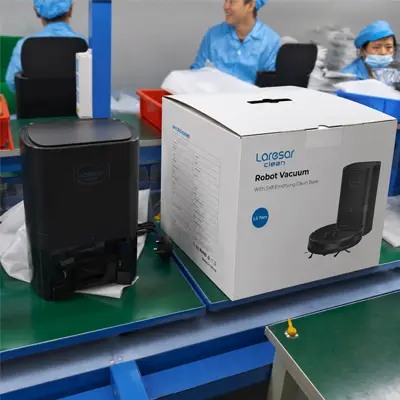
Export-standard color box packaging ready for retail shelves.

Internal motherboard layout demonstrating clean component assembly.

Anti-drop cliff sensors ensuring safe operation near stairs.

Transform our verified robotic platforms into your proprietary brand. We provide comprehensive OEM services for volume buyers, ensuring your product stands out in a competitive retail landscape.
Buyer resources
Live blog cards pulled directly from the WordPress posts API. This area shows the latest published resource articles from the backend, so new sourcing guides, sample checks, packaging notes, certification updates, and launch planning posts can appear here without editing this page.
The cards below are generated from published WordPress blog posts, not fixed page content.
B2B buying note
Build the range around channel fit first. A useful robot vacuum cleaner assortment usually starts with a clear price ladder, predictable service parts, and sample results your buying, sales, and support teams can all agree on.
Confirm product photos, listing claims, accessory lists, carton dimensions, and replacement consumables before the page is written. Clean product data prevents returns caused by overpromising.
Quote spare filters, side brushes, mop pads, batteries, and warranty handling together with the main unit. The first shipment should already include a service plan.
For a new private-label launch, keep the first assortment easy to buy and easy to service. The entry model should answer the basic cleaning need without making weak claims. The upgrade model should add a clear reason to pay more, such as stronger navigation, better mopping, or station convenience. If the two models look too similar, the buyer will compare only price and margin becomes harder to protect.
Expansion should come after the first sample round, not before it. Once your team sees the real cleaning result, app flow, accessory wear, carton strength, and support questions, it becomes easier to decide whether to add LiDAR mapping, auto-empty, self-cleaning mop care, or a higher battery platform. That sequence keeps the launch focused while leaving room for a stronger second shipment.
Use this note as an internal filter before sending the RFQ. If a model does not support the target price, expected service level, local plug standard, language package, and claim you want to make on the sales page, remove it from the first shortlist. A smaller but clearer range is easier for buyers to approve, easier for the factory to prepare, and easier for your team to sell after the first shipment lands.
Common technical and commercial inquiries regarding our robot vacuum cleaner lines.
Contact our sales engineering team to discuss models, OEM requirements, pricing, and sample availability for your market.
Email Us
helen@king-bots.com
Call Us
+86 18680681063
Factory Location
306 Zhuangshi Industrial Zone, Longgang District, Shenzhen, China