

KINGBOT FACTORY · SHENZHEN, CHINA
Wet Dry Vacuum Cleaner Manufacturer
A wet dry vacuum cleaner lives or dies on its water system — seals, tanks, roller recovery. Kingbot builds these machines on dedicated floor-care lines in Shenzhen, with testing built around the failure modes that actually happen in customers' homes.
Why B2B Buyers Look Past the Spec Sheet
Wet dry vacuum cleaners fail in predictable ways — tank seals degrade, roller brushes wear unevenly, suction recovery drops as filters clog. All three trace back to manufacturing decisions: seal tolerances, brush motor quality, ducting design.
A buyer who only compares spec sheets will miss these; a buyer who evaluates the factory behind the spec sheet will not. As a floor washer factory, we publish the details below so you can audit us the way you would any manufacturer — on evidence, not claims. Here is what experienced importers, retail chains and brand owners check before committing to a wet dry vacuum supplier.
Water-System Engineering
The subsystem that decides product lifespan. We own its design — tank tolerances, seal specs, dispensing rates — instead of inheriting them from a catalog.
Dedicated Production Lines
Eight production and packing lines calibrated for floor-care appliances — 60,000 units a month — not shared small-appliance lines where water testing is an afterthought.
Leakage & Suction Testing
Pressurized tank-leakage checks and suction-recovery tests sit on the line itself. A 25-person QC team inspects 100% of units before packing.
Mold Ownership, Fast Fixes
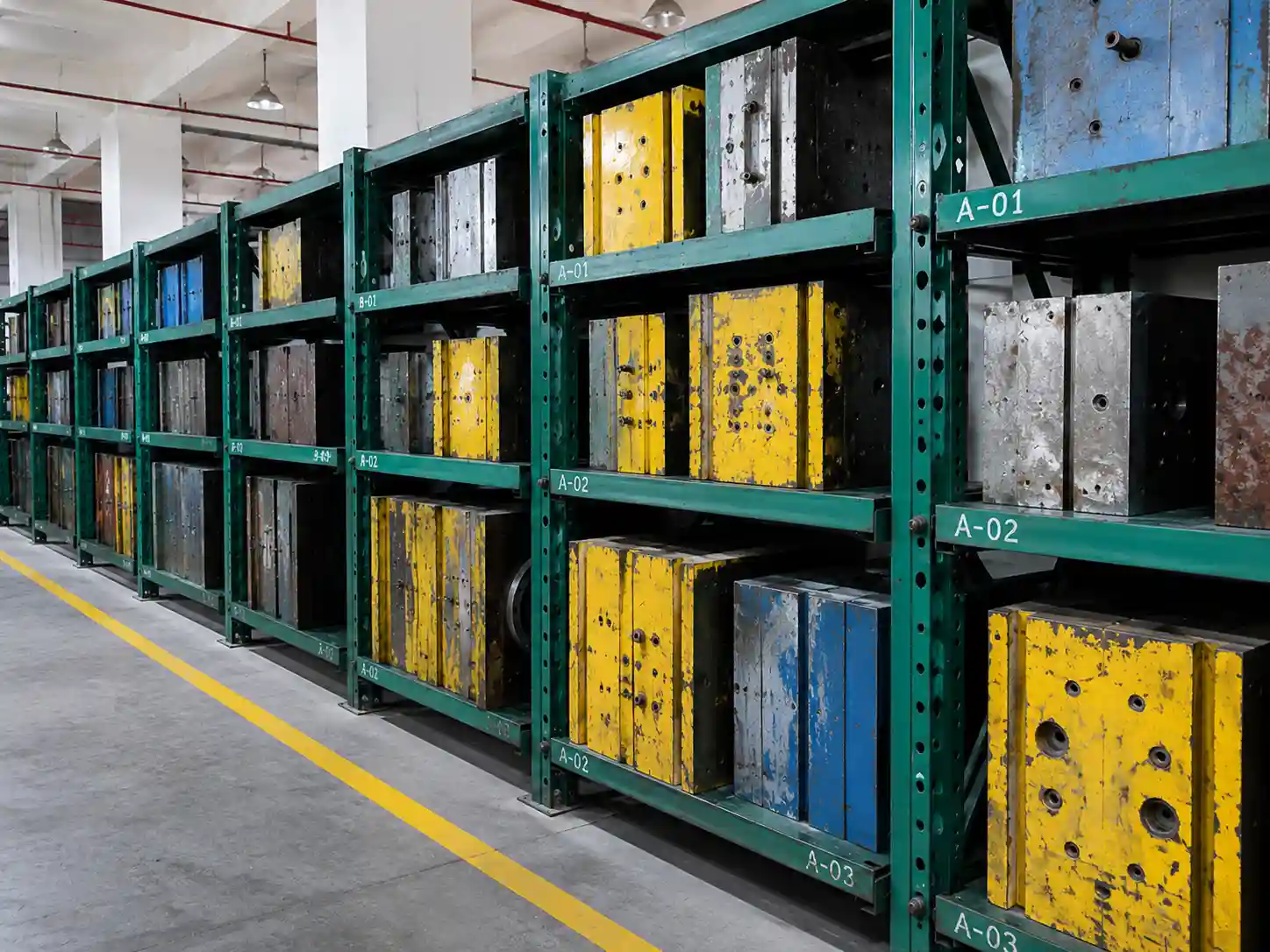
We own the housing molds. When a defect pattern shows up, the fix happens on our floor in weeks — not quarters of emails with a subcontractor.
The M Series: Three Tiers on One Proven Platform
Fewer base models means deeper tooling investment per model and faster OEM customization. Your private-label variant starts from a machine with real production history. All tiers ship with CE, RoHS, FCC and MSDS as standard.

ENTRY TIER
M1.0 — First Private-Label SKU
Cordless wet-dry floor washing with a dual-tank clean/dirty water system and self-cleaning roller cycle. The proven entry point for brands launching their first floor-care SKU.
See full specifications →
MID TIER
M2.0 — Mid-Range Retail Position
Adds hot-air drying for the roller brush, upgraded suction recovery and edge-to-edge cleaning. Built for the mid-range shelf where drying performance decides reviews.
See full specifications →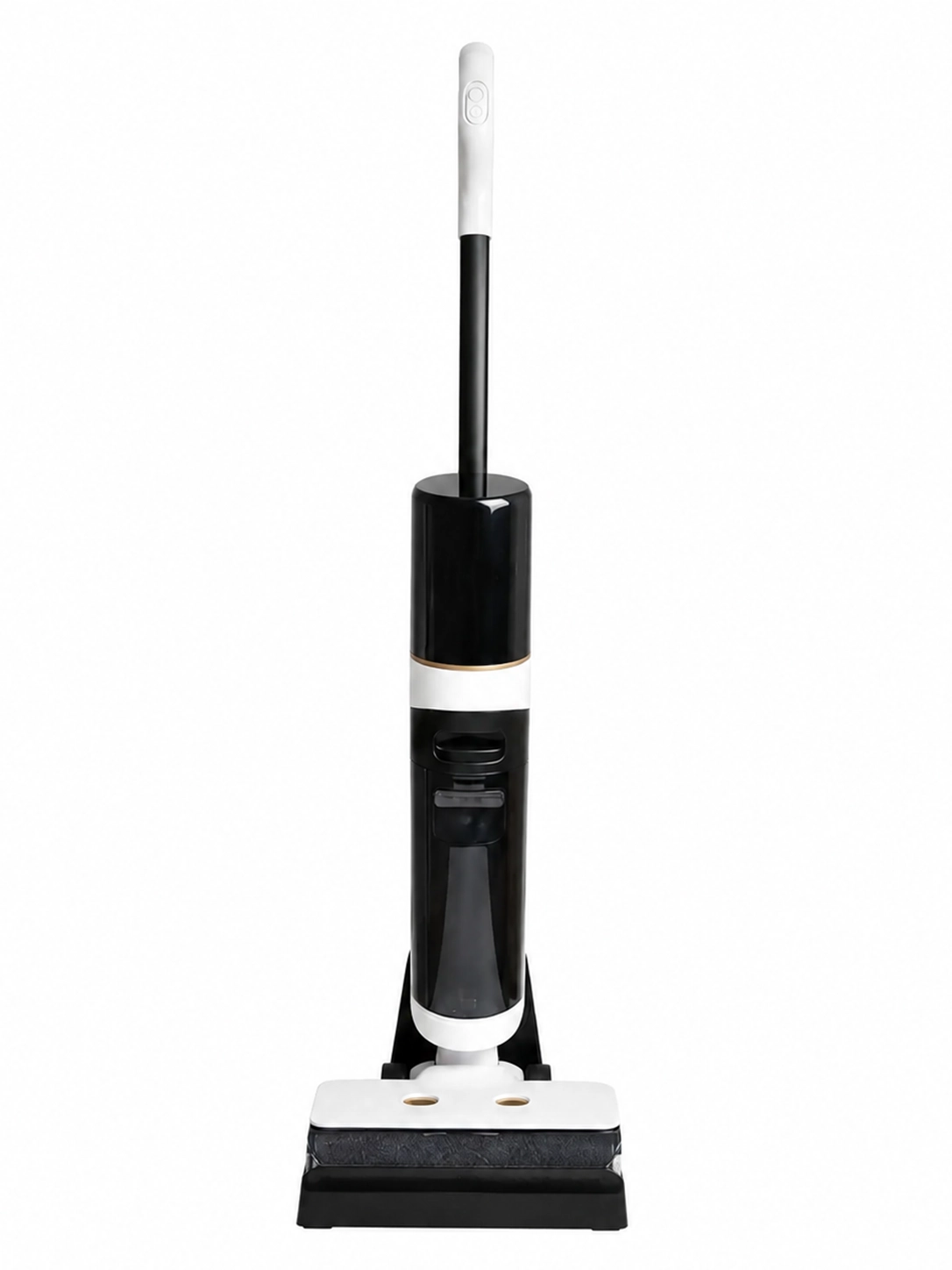
PREMIUM TIER
M3.0 — Flagship Private-Label Option
Full-feature floor washing station with smart dirt detection and extended battery runtime. The flagship for brands competing at the top of the category.
See full specifications →M Series at a Glance
| Tier | Drying | Cleaning System | Smart Features | Best For |
|---|---|---|---|---|
| M1.0 Entry | Ambient air dry | Dual-tank, self-cleaning roller | — | First private-label SKU |
| M2.0 Mid | Hot-air drying | Upgraded suction recovery, edge-to-edge | — | Mid-range retail |
| M3.0 Premium | Hot-air drying | Full washing station, extended runtime | Dirt detection | Flagship positioning |
Detailed specifications for each model are on the wet dry vacuum cleaner category page, alongside application guidance. Configurations outside these three tiers — different battery capacities, localized plug sets, brand-specific housing colors — are handled under our OEM workflow below.
Technology Configurations We Build Around
As a floor washer factory, we configure each program around the subsystems that decide how the machine performs and how long it lasts. Every option below is validated through the same aging and leakage protocols on our line — a configuration is only offered if it has passed.
Roller System
Standard or antibacterial brush rollers, with self-cleaning cycle timing tuned to your market's floor mix.
Water Management
Tank capacities, clean-water dispensing rate, and dirty-water full detection — the hydraulic core of the machine.
Drying
Ambient or hot-air roller drying for odor prevention — the feature that decides repeat-purchase reviews.
Suction Recovery
Motor power tiers matched to the floor-type mix your customers actually clean.
Power
Battery capacities covering 25–45 minute runtime bands, with MSDS documentation for every shipment.
Smart Features
Dirt detection sensors and app connectivity options for premium positioning.
Housing & Branding
Colorways, logo placement and retail-ready finishes — all tooled and finished in-house.
Regional Compliance
Plug, voltage and certification packages configured per target market before production begins.
How a Wet-Dry Machine Moves Through Our Factory
Kingbot operates as a factory in Shenzhen — not a trading company coordinating someone else's production. Our facility runs dedicated lines for floor-care appliances, inside the densest small-appliance supply cluster in China: motors, batteries, PCBs and tooling shops all within a one-hour drive, which keeps lead times predictable even in peak season. Our factory page covers the facility in full.
Every unit passes four QC gates with zero sampling shortcuts. Our inspectors report to the quality manager — not the production supervisor — which is the structural detail that makes "100% inspection" credible instead of decorative.

GATE 1
Incoming Inspection
Motors, batteries, rollers and tanks checked on arrival. Failed lots return to the supplier.
GATE 2
Mid-Line Function Test
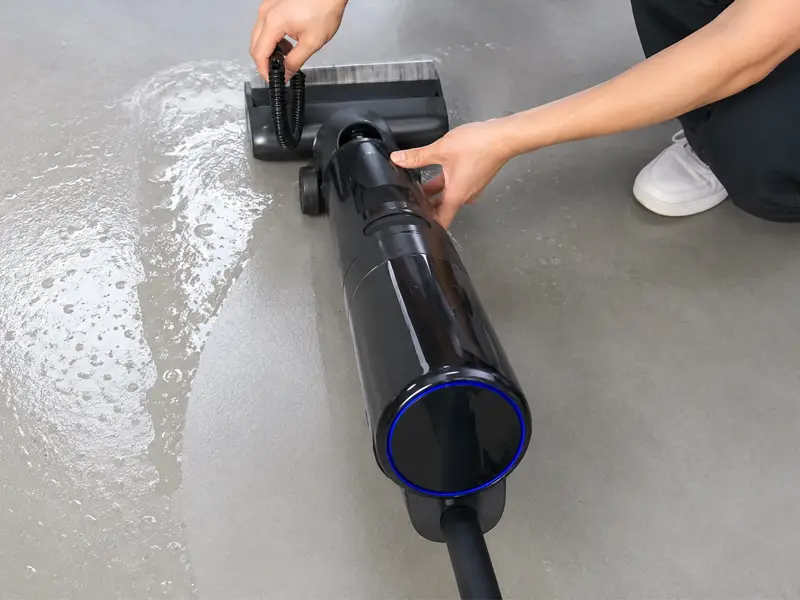
Each unit powered before housing close: roller, water flow, suction, self-cleaning.

GATE 3
Aging & Reliability
Batch samples run continuous duty cycles; tank seals get pressurized leakage checks.
GATE 4
100% Final Inspection
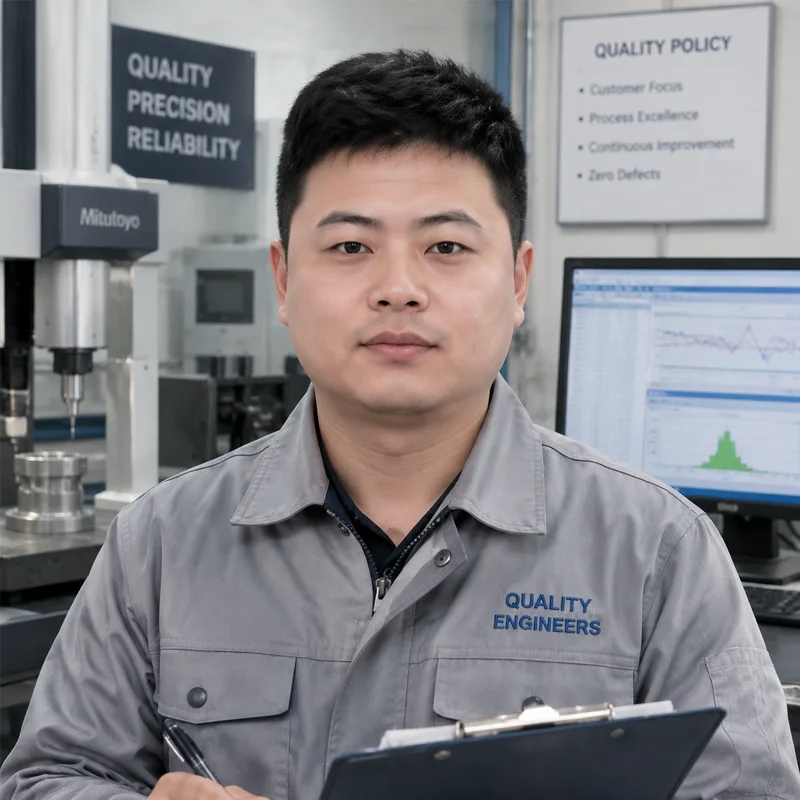
Every unit inspected before packing, with traceable records per production lot.
The Two Tests That Decide Product Lifespan
Most wet-dry failures are not electronic — they are hydraulic. These two stations exist because we build floor-care machines on dedicated lines; on a shared small-appliance line, neither would have a permanent home.
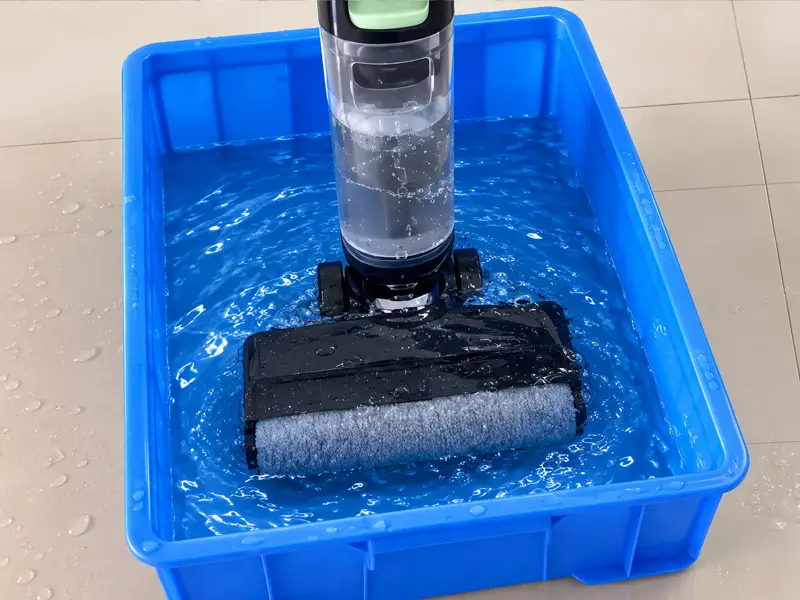
The water-tank leakage check pressurizes clean and dirty tanks to catch seal defects — the kind that surface in a customer's kitchen six weeks after delivery, long past the point where a fix is cheap. Every production lot sees this station; it is not a first-article-only exercise.
The suction recovery test verifies the unit actually lifts dirty water off the test surface at its rated rate. A machine that dispenses water without recovering it is a mop with a battery, not a wet dry vacuum cleaner.
If you are comparing us against another wet dry vacuum supplier, ask to see their leakage-test station — its presence or absence tells you more than any certificate PDF. Our quality control system documents the full protocol, and buyer audits are welcome on the factory floor.

Private-Label Manufacturing, Not Just Assembly
Most of our wet-dry volume ships under other brands. Because the lines, the tooling and the testing are ours, private-label programs get engineering input — DFM feedback, configuration tuning, packaging design — not just build-to-print assembly. Samples, locked specifications and bulk QC all run through the same four-gate system described above.
Full program workflow: OEM wet dry vacuum cleaner · OEM/ODM services
Certifications, Without the Fine Print Games
Every tier ships with the same documentation baseline — no "standard" vs "export version" split. Certificate copies are available during the evaluation phase on request, and market-specific testing beyond this baseline can be arranged under OEM programs.
- CE — European conformity, standard on all models
- RoHS — hazardous substance compliance, standard
- FCC — US electromagnetic compatibility, standard
- MSDS — battery transport documentation, standard
- ETL / UL — on request for North American retail programs, not bundled by default
Export Packaging Built for the Journey
A wet dry vacuum cleaner travels thousands of kilometers before it reaches a customer's home. Cartons are drop-tested, private-label ready with your branding and multilingual manuals, and every shipment carries MSDS battery documentation. Detailed carton data, mixed-container planning and reorder logistics live on our wholesale wet dry vacuum cleaners page.

Who We Build For
Different buyers need different things from a China manufacturer. Brand owners care about finish quality and packaging; distributors care about volume pricing and spare parts; retail chains care about compliance paperwork; e-commerce sellers care about speed. Our programs reflect that.
Our trial-order policy starts at 500 units — enough to validate a new SKU in market without committing to container volumes. If you are weighing factory-direct against trading-company sourcing, our factory overview lays out the trade-offs across cost, QC depth and accountability.
Brand Owners
Full private-label programs — custom housing colors, logo placement, retail packaging, multilingual manuals.
Importers & Distributors
Volume pricing tiers, regional exclusivity discussions, spare-parts programs.
Retail Chains
Compliance documentation packages, ETL/UL on request, shelf-ready packaging.
E-commerce Sellers
500-unit trial orders, fast sample turnaround, listing-ready product assets.


Factory Audit Checklist: 8 Ways to Vet a Wet-Dry Manufacturer
Run any candidate factory through these eight checks before you commit. We publish ours so you can hold us to the same standard — on-site or video audits welcome.
From Our Floor
Production lines, testing stations and packing operations — photographed on site, not rendered. Every image below comes from our Shenzhen facility or from real product testing.



Watch the Line Run
Photographs show stations; video shows rhythm — the pace of the assembly line, the testing sequence, the packing operation. What you see here is the same workflow every bulk order goes through, from the first unit to the last carton.
Common Questions From Buyers
Are you a factory or a trading company?
What is the minimum order quantity for wet dry vacuum cleaners?
How long does an OEM project take?
Which certifications come standard?
What can be customized for my brand?
Do you really inspect every unit?
Can I visit or audit the factory?
Do you make other cleaning machines?
Send Your Requirements to the Factory
Tell us your target market, volume range and customization needs. Factory staff — not intermediaries — will respond with a capability profile and quotation.
helen@king-bots.com
Phone / WhatsApp
+86 18680681063
Factory
Shenzhen, China · Hong Kong branch